
Obut, La Boule Bleue, and MS Pétanque: The History of the Big Three
How a locksmith's workshop, an Alsatian sea captain, and a French pop singer built the three companies that make almost every competition pétanque boule played today.
Obut, La Boule Bleue, and MS Pétanque: The History of the Big Three
Almost every competition boule sold today comes from one of three French companies: Obut, La Boule Bleue, or MS Pétanque. Between them they cover roughly a century of French manufacturing history, from a hand-forged workshop on a Marseille backstreet to a locksmith's garage in the Loire to a pop singer's patent applications. None of it was inevitable. Each brand exists because a small group of people solved a specific, practical problem in front of them, and the boule they built along the way happened to define how the modern game is played.
This is the story of how each of the three came to be. For a side-by-side look at what each brand's boules actually play like today, see our Obut vs MS Pétanque vs La Boule Bleue comparison.
La Boule Bleue: The Oldest Name in the Game (1904)
La Boule Bleue traces its roots back further than any other major manufacturer still in business, to 1904 and a workshop on rue des Fabres in Marseille. Its founder, Félix Rofritsch, was not originally from Provence at all. He was an Alsatian merchant sea captain who settled in Marseille rather than return to Alsace, which had become part of the German Empire after the Franco-Prussian War. In Marseille he began making "boules cloutées", traditional wooden boules studded with hand-driven metal nails, the style of boule used to play the older jeu provençal before pétanque itself was even invented a few years later in nearby La Ciotat.
The company's two defining innovations both came from later generations of the same family:
- 1925: the first bronze and brass boules, replacing the nail-studded wooden style with a single cast metal boule.
- 1947: Rofritsch's sons developed the first boule made from hardened carbon steel, using a heat-treatment and tempering process that left the finished surface with a distinctive blue-tinted reflection. Customers started calling them "boules bleues", and the name stuck permanently, becoming the company's brand identity. (See our carbon steel vs stainless steel guide for how that original hardened-steel formula compares to today's stainless alternative.)
La Boule Bleue is now run by the fourth generation of the Rofritsch family and is recognized by the French government as an Entreprise du Patrimoine Vivant (Living Heritage Company). It remains, by a wide margin, the smallest of the Big Three by volume, and is the only one of the three that still hand-finishes its competition boules in Marseille itself rather than on a fully industrialized production line, a distinction the brand markets directly to players who want a handcrafted, customizable set over a mass-produced one.
Obut: From a Locksmith's Workshop to 80% of the World Market (1955)
Obut's origin is almost the mirror image of La Boule Bleue's: not a coastal craft tradition, but a small-town industrial partnership formed to chase a post-war boom. In 1955, in Saint-Bonnet-le-Château, a town in the Loire department roughly 60km southwest of Lyon with no particular pétanque pedigree of its own, a locksmith named Frédéric Bayet and a mechanic named Antoine Dupuy pooled their skills to start manufacturing boules for the rapidly growing sport. Pétanque, only about four decades old at that point, was spreading fast through France, and the pair saw an opening to build boules at a scale the older, smaller Provençal workshops could not match.
The partnership needed capital to grow, and in 1958 it found it in the Souvignet family - Jean Souvignet and his two sons, Georges and Robert - who bought a controlling stake in the small factory, then still trading under the plain name "Société Nouvelle de boules à jouer". The Souvignets had no petanque background either; their existing business subcontracted telescopic front forks for mopeds. What they brought instead was manufacturing capital and industrial process discipline, and under their ownership the company began the transition from a workshop into a factory.
The brand name itself has a specific, well-documented origin. The boules were first marketed as "la boule au but", literally "the boule at the target," a reference to the cochonnet every throw is aimed at. In everyday speech, the phrase was worn down over time into a single word: Obut. By the company's own account, the final "t" was traditionally silent in French, closer to "Obu", until radio host Pierre Bellemare pronounced it fully on air on Europe 1 - and the harder pronunciation is the one that stuck nationally from then on.
Obut converted to a joint-stock company (société anonyme) in 1981 and has kept expanding its share of the competition market ever since; independent industry estimates and the company's own figures both put it at roughly 80% of the global competition-boule market by the mid-2020s, manufacturing several million boules a year out of the same town where Bayet and Dupuy started in 1955. It remains a family business today, still controlled by descendants of the Souvignet family.
MS Pétanque: A Singer's Patents (1995)
The youngest of the Big Three has the most unusual founding story. MS Pétanque did not begin as a boule company chasing a gap in the market; it began as a side project of three unrelated men with an idea about how a boule could be engineered differently. In 1995, based in Nogent in the Haute-Marne department, three partners founded a company under the name VMS Plot:
- Vartan Barberian, a Franco-Armenian engineer
- Marle, an industrialist and founder of the Marle group
- Henri Salvador, the French singer, actor, and comedian, and by all accounts a genuinely serious recreational pétanque player
Salvador was reportedly closely involved in the boule's actual engineering, not just as a namesake backer. The three partners are credited with co-developing several of the boule's early forging patents, which is the detail that ultimately defined the brand: rather than the more common casting process most other manufacturers use, MS Pétanque boules are produced by forging, a technique the company still markets as unique among major manufacturers. Forging compresses and aligns the steel's internal grain structure rather than simply casting it into shape, which the company says produces the low-rebound, "anti-rebound" feel that MS boules are best known for among competitive shooters.
The company later shortened its name from VMS Plot to MS Pétanque, dropping the "V" of Vartan's name from the brand while keeping the initials of Marle and Salvador. It remains the smallest of the Big Three by market share, but has built a specific, durable reputation among competitive shooters who prioritize its distinctive forged feel over Obut's broader range or La Boule Bleue's handcrafted heritage. See our full head-to-head comparison for how that plays out in practice.
Three Companies, Three Different Bets
Laid side by side, the founding stories explain a lot about how each brand still positions itself today:
| La Boule Bleue | Obut | MS Pétanque | |
|---|---|---|---|
| Founded | 1904, Marseille | 1955, Saint-Bonnet-le-Château | 1995, Nogent (Haute-Marne) |
| Founders | Félix Rofritsch, a sea captain | A locksmith and a mechanic, later the Souvignet family | An engineer, an industrialist, and a singer |
| Original bet | Hand-forged craft, before pétanque even existed as a codified sport | Industrial scale to meet a post-war boom | A patented forging process for a specific playing feel |
| Still known for | Handcrafted, customizable boules made in Marseille | Volume, range, and roughly 80% of the competition market | Anti-rebound feel favored by shooters |
None of these companies set out to become one of "the Big Three." Rofritsch was avoiding conscription into a country he no longer wanted to belong to. Bayet and Dupuy were two tradesmen trying to catch a wave. Salvador was, by every account, just a pop star who loved the game enough to help engineer a better boule for it. A century of pétanque's growth turned all three into institutions anyway - see our full history of pétanque itself for how the sport they were all building boules for came to exist in the first place.
You can browse each manufacturer's current lineup directly: Obut, La Boule Bleue, and MS Pétanque.
Related Articles
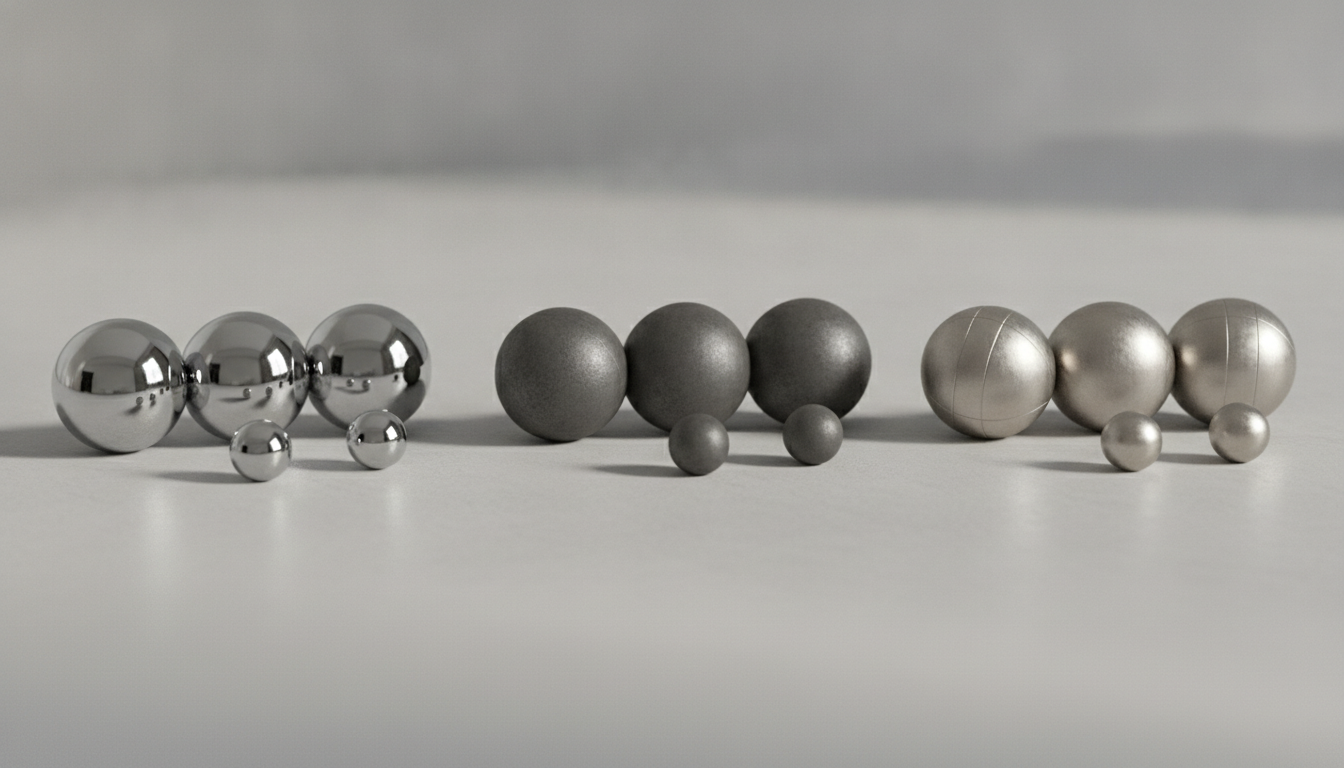
Obut vs MS Pétanque vs La Boule Bleue: The Ultimate Brand Comparison
A head-to-head comparison of the big three pétanque manufacturers. Discover which brand suits your playing style, budget, and preference.
Which Boules Do Top Pétanque Players Use? (2026 Roundup)
From Dylan Rocher's Obut ATX to Diego Rizzi's soft-carbon Boulenciel RD, see exactly which boules pétanque's best players compete with - and why.
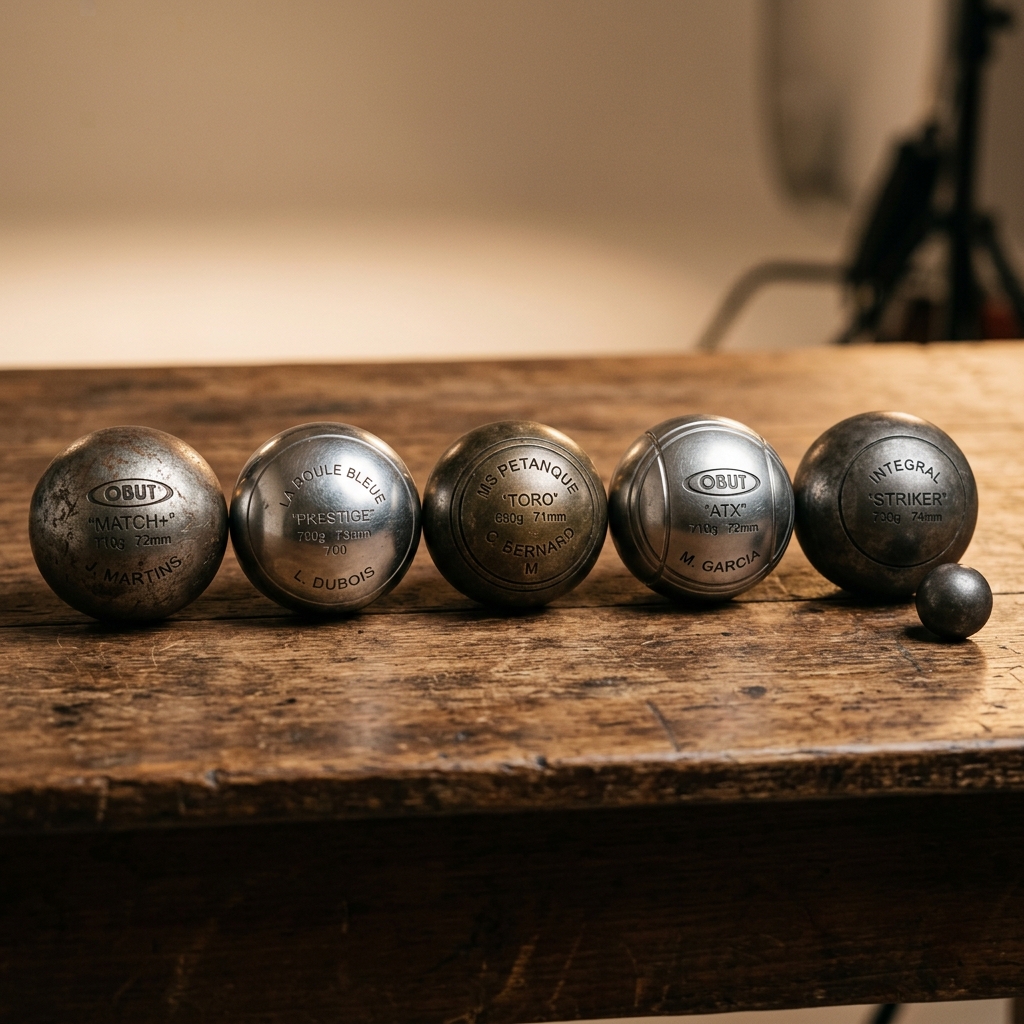
Pétanque Boule Materials: Carbon Steel vs Stainless Steel
A deep dive into the differences between carbon steel and stainless steel pétanque boules, and how to choose the right material for your playing style.