
Jack Throwing Techniques in Pétanque
Master the technique behind throwing the jack (cochonnet) in pétanque - grip, flick, and backspin control for consistent, accurate throws every end.
Jack Throwing Techniques in Pétanque
Every end in pétanque starts the same way: someone throws the jack (cochonnet). It looks like the simplest action in the game, and most beginners treat it that way - a quick underhand toss to get the round started. Competitive players know better. A consistent, technically sound jack throw is what lets a team execute the tactical placement described in our Strategy Guide - throwing short to punish a long-range shooter, or landing near a trap only they've spotted. None of that works if the throw itself is inconsistent.
Why Technique Matters More Than It Looks
A tossed jack that skids, bounces, or rolls an extra meter past where you aimed doesn't just look sloppy - it can void the throw outright if it lands outside the legal distance, handing the jack to your opponent to place however they like. Since the team that wins the toss (or the previous end) only gets one attempt to throw a valid jack, distance control isn't optional polish - it's the difference between choosing the terrain and having it chosen for you.
The Two Common Grips
Unlike a boule, the jack is small enough (30mm, 10-18g) that it's thrown almost entirely with the fingers rather than the whole hand.
1. The Three-Finger Flick
Hold the jack against the pads of your middle three fingers, thumb resting lightly alongside for balance. Bring your hand back with a small backswing, then snap the wrist forward and let the jack roll off your fingertips on release. This is the more common grip because it's the most similar motion to the wrist-flick release used when pointing a boule, so it transfers naturally once you've built that muscle memory.
2. The Pinch (Thumb and Middle Finger)
Hold the jack lightly between the tip of the thumb and the tip of the middle finger, like a pincer. This grip contacts less of the jack's surface, which some players find gives a cleaner, more precise release at the cost of feeling less secure during the backswing. It's worth trying if the three-finger flick feels clumsy with your hand size.
Neither grip is prescribed by the rules - both are legal, and which one produces a more consistent result is a matter of personal practice, not correctness.
The Motion: A Flick, Not a Throw
The single biggest mistake beginners make is throwing the jack the way they'd toss a ball underhand - a full arm swing with the wrist locked. This produces wildly inconsistent distances because small variations in arm speed translate directly into large variations in how far the jack travels.
- Small backswing. Bring your hand back only a short distance - the jack is light, so it needs far less swing than a boule.
- Wrist-led release. The power comes from snapping the wrist forward, not swinging the whole arm. Keep your elbow relatively still and let the wrist do the work.
- Backspin on release. Let the jack roll off your fingertips rather than leaving your hand flat - this imparts backspin (effet rétro), the same principle used in pointing, which makes the jack check its roll on landing instead of skidding on.
- Consistent follow-through. Finish the motion with your hand pointing toward the target distance every time. A jerky or incomplete follow-through is the most common cause of an inconsistent release point.
Practicing Distance Control
Because the legal range spans 6 to 10 meters (for seniors and juniors - shorter for younger age categories, see the Official Rules for the full breakdown), the most useful drill is a "ladder": throw to 6 meters, then 7, then 8, then 9, then 10, adjusting only the strength of your wrist flick and backswing, not your grip or motion. Most players find they naturally group their throws around one or two preferred distances - knowing yours in practice means you can consciously throw outside your comfort zone in a match to disrupt an opponent, rather than accidentally landing back in it.
Technique vs. Tactics: Where This Fits
This guide covers the physical mechanics of getting the jack to land where you want it. Deciding where that should be - short to neutralize a long-range shooter, near a hidden slope, or tucked against a sideline - is a tactical question covered in depth in our Strategy Guide's section on the "donnée". The two skills compound: a player with great tactical instincts but an inconsistent throw still ends up handing the jack to their opponent on a bad day, while a technically consistent thrower with no tactical sense just makes life easy for the other team by throwing the same comfortable distance every time.
Equipment: It Starts With the Jack Itself
A warped, chipped, or badly weighted jack makes even a technically perfect throw behave unpredictably. Wood jacks in particular can develop a slight bias if stored wet or in direct sun for long periods, which shows up as a subtle curve on release that has nothing to do with your technique.

Obut Boxwood Jack
The traditional solid boxwood jack, the FIPJP-homologated standard for official competition play.
- Solid boxwood construction
- FIPJP homologated for competition
- 30mm diameter (+/- 1mm)
- Material
- Boxwood
- Diameter
- 30mm (+/- 1mm)
- Weight
- 10-18g (FIPJP compliant)
- Finish
- Varnished or painted
See our Best Pétanque Cochonnets 2026 guide for a full comparison of wood, resin, and light-up jacks, including which ones are FIPJP-approved for competition.
Frequently Asked Questions
How do you hold the jack when throwing it?
Most players use one of two grips: holding the jack with the three middle fingers and flicking the wrist forward on release, or pinching it between the thumb and middle finger for a lighter, more precise release. Both aim for the same result - a smooth flick rather than a full-arm throw - and which one feels more accurate comes down to hand size and practice, not a rule.
Why does my jack roll too far after it lands?
Almost always a backspin problem, not a power problem. Snap your wrist forward at the moment of release so the jack rolls slightly backward off your fingertips - this is the same effet rétro used when pointing a boule, just with far less force behind it. A jack thrown with no backspin will skid and roll well past your intended distance even on a soft throw.
Is there a technique advantage to throwing the jack rather than just tossing it?
Yes. A controlled flick with backspin lands far more consistently at a chosen distance than an underhand toss, which is why most experienced players use the same finger-flick motion every time rather than varying their throw by feel. Consistency matters more here than in any other throw in the game, since an invalid jack throw hands the jack - and the choice of where to place it - to your opponent.
How far must the jack be thrown, and what happens if I get it wrong?
For seniors and juniors it must land 6 to 10 meters from the inside edge of the circle (shorter for younger age categories) and at least 50cm from the end line or any obstacle. A team gets only one attempt - if it's invalid, the opposing team places the jack by hand instead, though the throwing team still throws the first boule. See our Official Pétanque Rules for the full requirements.
Explore More Guides
- Pointing Techniques - The same backspin principle, applied to placing your boules.
- Shooting Techniques - What to do once the jack is down and the mène begins.
- Advanced Pétanque Strategy & Tactics - Where to throw the jack, not just how.
- Official Pétanque Rules - The full legal requirements for a valid jack throw.
The jack throw takes ten seconds and gets almost no attention compared to a spectacular carreau - but every single end in pétanque depends on getting it right first.
Related Articles
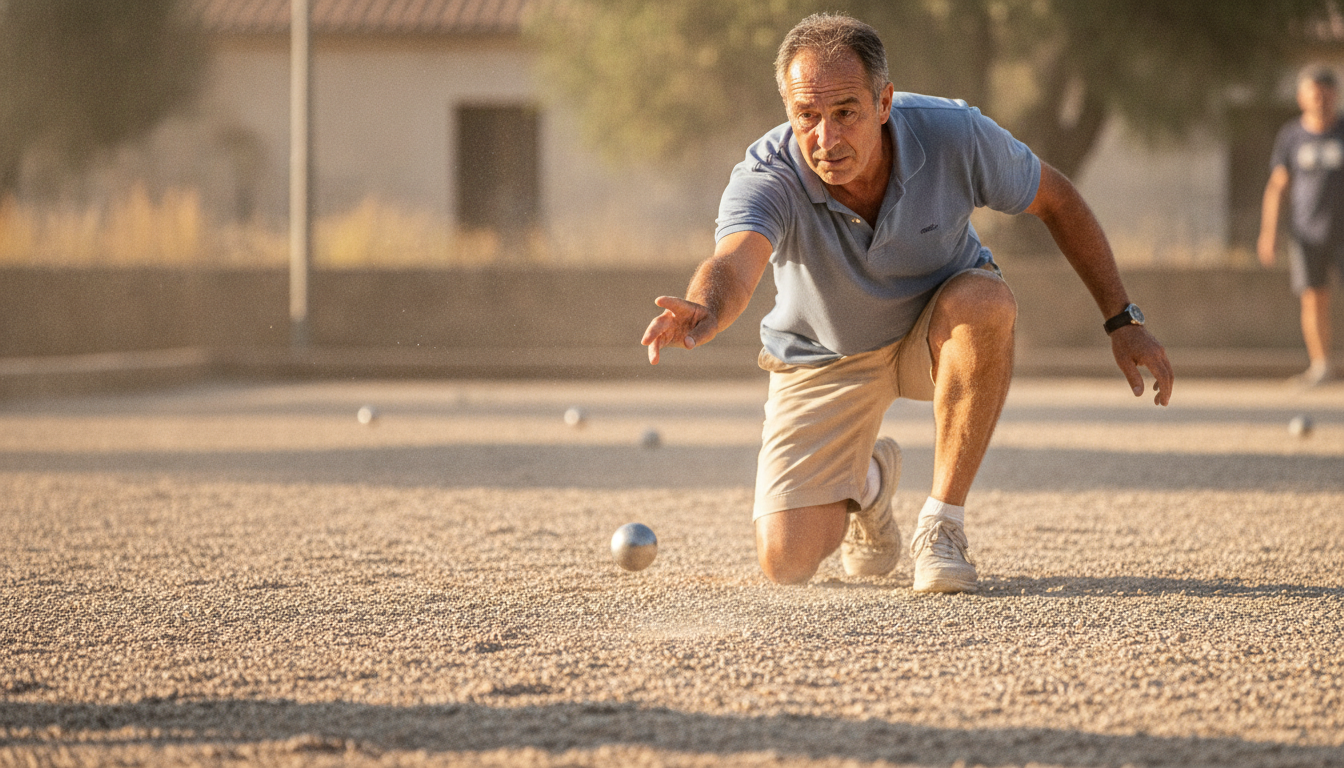
Pointing Techniques in Pétanque
Master the art of pointing (placement) in pétanque. Learn the roulette, demi-portée, and portée techniques, plus advanced backspin and side-spin strategies.
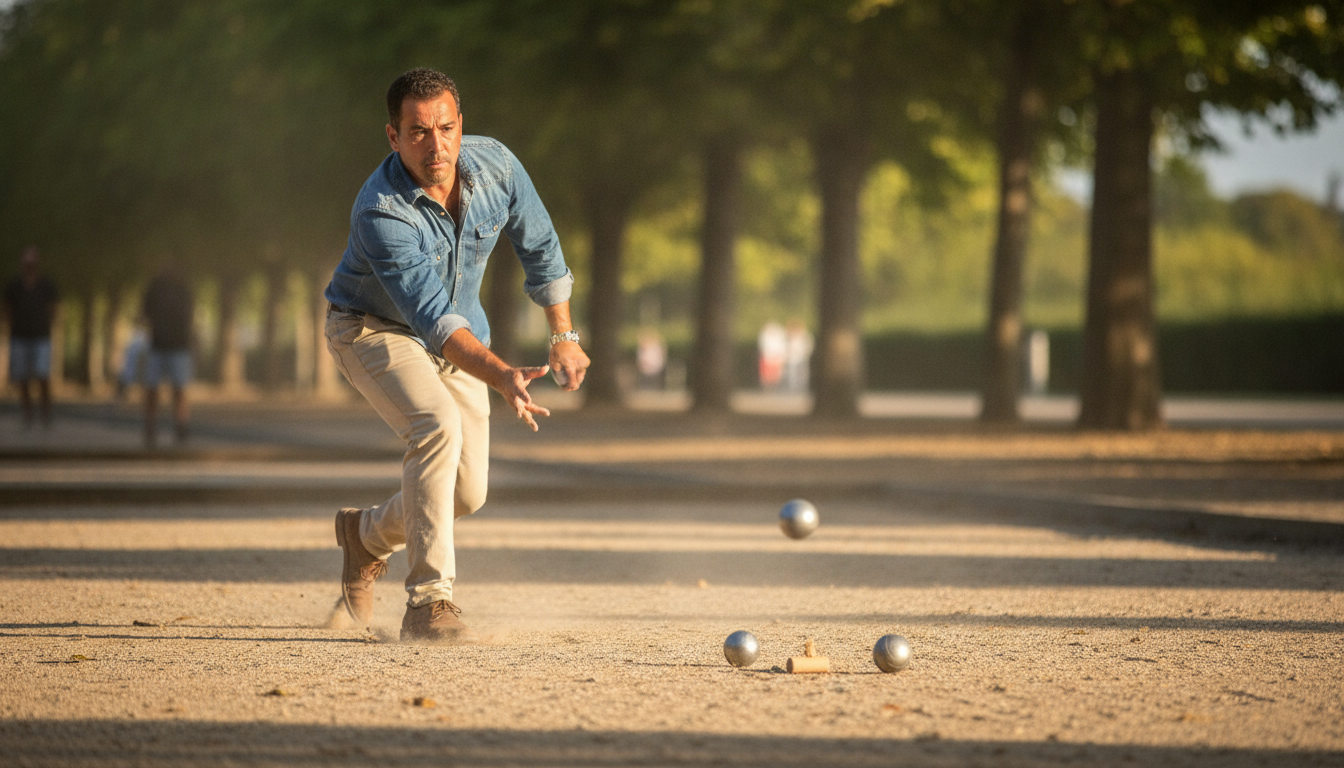
Shooting Techniques in Pétanque
Master the art of shooting (tir) in pétanque - learn tir au fer, tir à la rafle, and develop the precision to knock away opponent boules and achieve the perfect carreau.
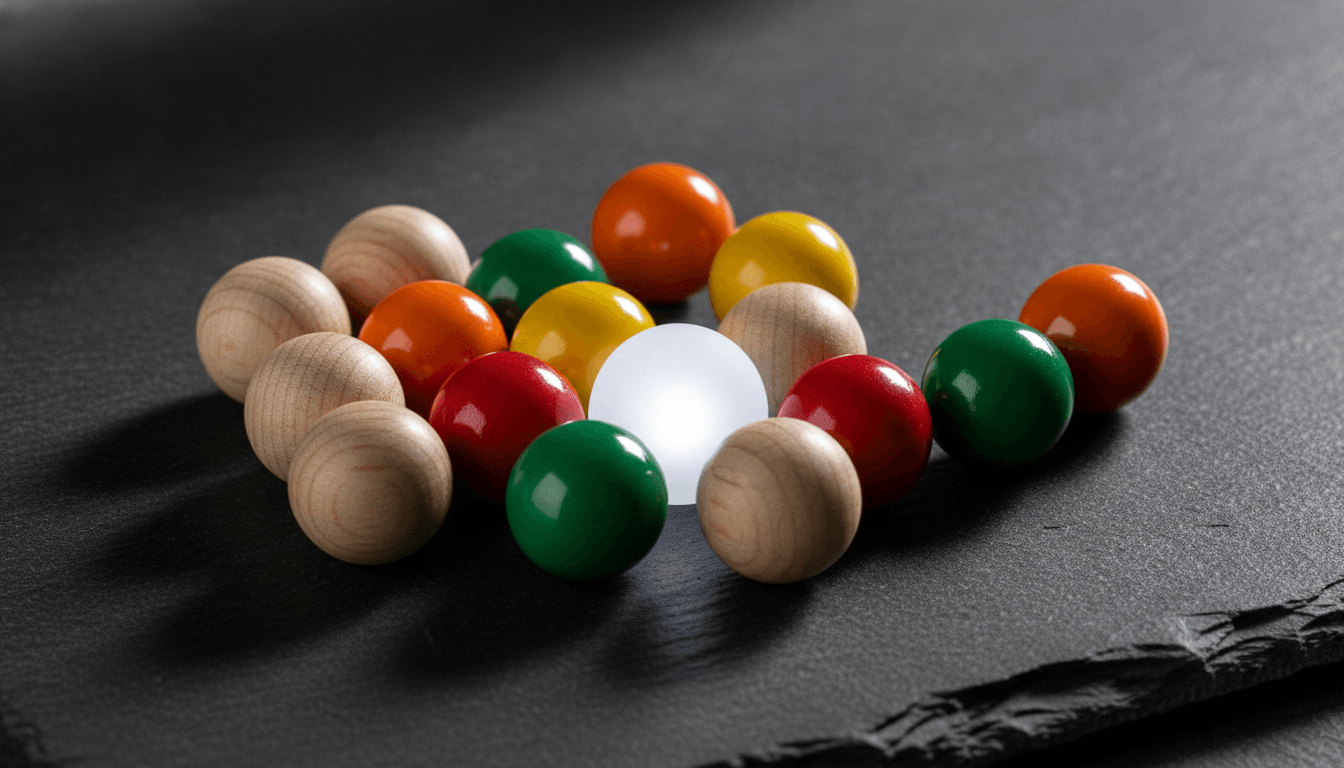
Best Pétanque Cochonnets (Jacks) 2026
Wood, magnetic, colored resin, or LED. We compare the best pétanque jacks (cochonnets) for 2026, from FIPJP-homologated boxwood to light-up jacks for night games.