
Advanced Pétanque Strategy & Tactics: The Chess of Boules
Master the mental game of pétanque. Learn advanced team roles, the art of the jack throw, managing boule advantage, and psychological tactics to win more matches.
Advanced Pétanque Strategy & Tactics: The Chess of Boules
Once you've mastered the basic pointing and shooting techniques, pétanque stops being just a game of physical skill and becomes a "chess game on gravel." At the highest level, the team that wins is often not the one that throws the best boules, but the one that makes the best decisions.
This guide explores the deep strategic layers of competitive pétanque, from team dynamics to psychological warfare.
1. Specialized Team Roles
In triples (3 vs 3), each player has a specific tactical identity. Understanding and respecting these roles is the foundation of team success.
The Pointer (Le Pointeur)
The "engine" of the team. The pointer's job is to place the first boule to force the opponent into a difficult situation.
- Strategic Goal: Take the point with the first boule, ideally "boule devant" (in front of the jack).
- Advanced Skill: Reading the terrain to find the perfect donnée (landing spot) that makes the opponent's life miserable.
The Shooter (Le Tireur)
The "special forces." The shooter is called upon to neutralize threats and clear the terrain.
- Strategic Goal: Hit the opponent's scoring boules. The ultimate goal is the carreau (hitting and staying), which completely shifts the momentum.
- Advanced Skill: Knowing when not to shoot. A missed shot can be tactically disastrous.
The Middle (Le Milieu)
The "tactician." Often the most versatile player, able to point or shoot as the situation demands.
- Strategic Goal: Fill the gaps left by the pointer or shooter. They often make the final tactical calls.
- Advanced Skill: Adaptability. They must be able to switch mental gears instantly between the finesse of pointing and the power of shooting.
2. The Art of the "Donnée" (The Jack Throw)
Strategy begins before the first boule is even thrown. If your team wins the previous end, you control the jack. Use this to your advantage:
- Distance Control: If your opponent struggles with long throws, throw the jack to 9.5 meters. If they are precision specialists at short range, keep them at 6.5 meters.
- Slope Selection: Throw the jack near a "trap" - a hidden slope or a soft patch of sand that you've identified but your opponent hasn't.
- Lighting and Background: In evening games, throw the jack into areas where shadows make it harder to judge distance.
3. Managing "Boule Advantage"
The most important concept in pétanque tactics is the count. "Boule advantage" means having more unplayed boules than your opponent. If you're still fuzzy on how points are actually counted at the end of a round, our Pétanque Scoring Explained guide covers it in full.
- Protecting the Advantage: If you have 4 boules left and the opponent has 1, don't take unnecessary risks. Point safely.
- The "Nuclear Option" (Shooting the Jack): If you are down 5 points in a single end and have no way to take the point, you might choose to shoot the jack out of bounds. This voids the end (if the opponent has boules left) or limits the damage.
- The Advantage Rule: If you take the point and still have the advantage, you have "broken" the opponent's rhythm. Force them to use their boules while you keep yours in reserve.
4. Advanced Pointing Tactics
"Boule Devant, C'est une Boule d'Argent"
(A boule in front is a boule of silver). Placing a boule 20-40cm directly in front of the jack is the most powerful defensive move in the game.
- It acts as a shield for the jack.
- If the opponent tries to point, they might hit your boule and push it even closer.
- It forces the shooter to be extremely precise; a "short" shot will hit your boule instead of the target.
Using "Backstops"
If there is already a boule (yours or the opponent's) behind the jack, you can point with more "weight" (speed). If you miss the jack, your boule might hit the backstop and stay in the scoring zone.
The "Squeeze" (The Snooker)
In doubles or triples, you can purposefully hit your own teammate's boule to "squeeze" it closer to the jack or move it into a better defensive position.
5. Advanced Shooting Tactics
The "Carreau" Shift
A carreau doesn't just remove an opponent's point; it gives you the point and keeps the shooter's boule as a new obstacle. It is a 2-point swing in momentum.
Shooting for "Two"
If the opponent has two boules close together, a skilled shooter aims to hit both in one throw (tirer deux). This is extremely efficient for regaining boule advantage.
When NOT to Shoot
- Don't shoot with your last boule unless it's to save the game. It's almost always better to point and try to "save the point" or minimize the score.
- Don't shoot if the terrain is "unfriendly." If the ground is very rocky, a missed shot can bounce unpredictably and hit your own scoring boules.
6. Psychological Warfare & Mental Toughness
Pétanque is played in the head as much as on the gravel.
- The Routine: Develop a "pre-shot routine" (cleaning the boule, checking the stance, one deep breath). This creates a mental "bubble" that protects you from pressure.
- Momentum Management: If the opponent is on a "run," slow the game down. Take more time to measure. Discuss tactics at length. Break their rhythm.
- Body Language: Never show frustration after a missed shot. A team that looks "broken" is much easier to beat.
For the specific breathing patterns, routines, and mistake-recovery habits behind this section, see our full Mental Game guide.
7. Strategic Communication
"Should we point or shoot?" This is the eternal question.
- The Rule of Two: If the opponent is less than 20cm from the jack and you have boules to spare, you almost always shoot.
- The Captain: In competitive teams, one person (usually the Middle) makes the final decision. This prevents internal arguing and second-guessing.
- Transparency: Be careful not to reveal your strategy to the opponents while discussing it. Use subtle cues or step away from the circle to talk.
Recommended Gear for Tacticians
Executing advanced strategies requires boules you can trust. If you're not sure which weight, diameter, or hardness fits your role, see our full Boule Weight & Size Selection Guide before you invest.
- For Pointers: Look for "hard" or "half-soft" boules that "bite" the ground. We recommend the Obut Match IT.
- For Shooters: "Very soft" boules minimize bounce-back, increasing your chances of a carreau. We recommend the MS 2110 or the Obut RCC.
- For All-Rounders: A versatile "soft" boule like the Obut Match+ is the tactical choice.
Master Your Game
Ready to put these tactics into practice? Check out our Pétanque Training Drills to sharpen your skills, master the physical mechanics behind the "donnée" in our Jack Throwing Techniques guide, or deep-dive into the Official Rules to find every tactical loophole. Playing in a competitive league? Our Umpiring Guide explains how disputes like the advantage rule are actually called on the terrain.
Related Articles
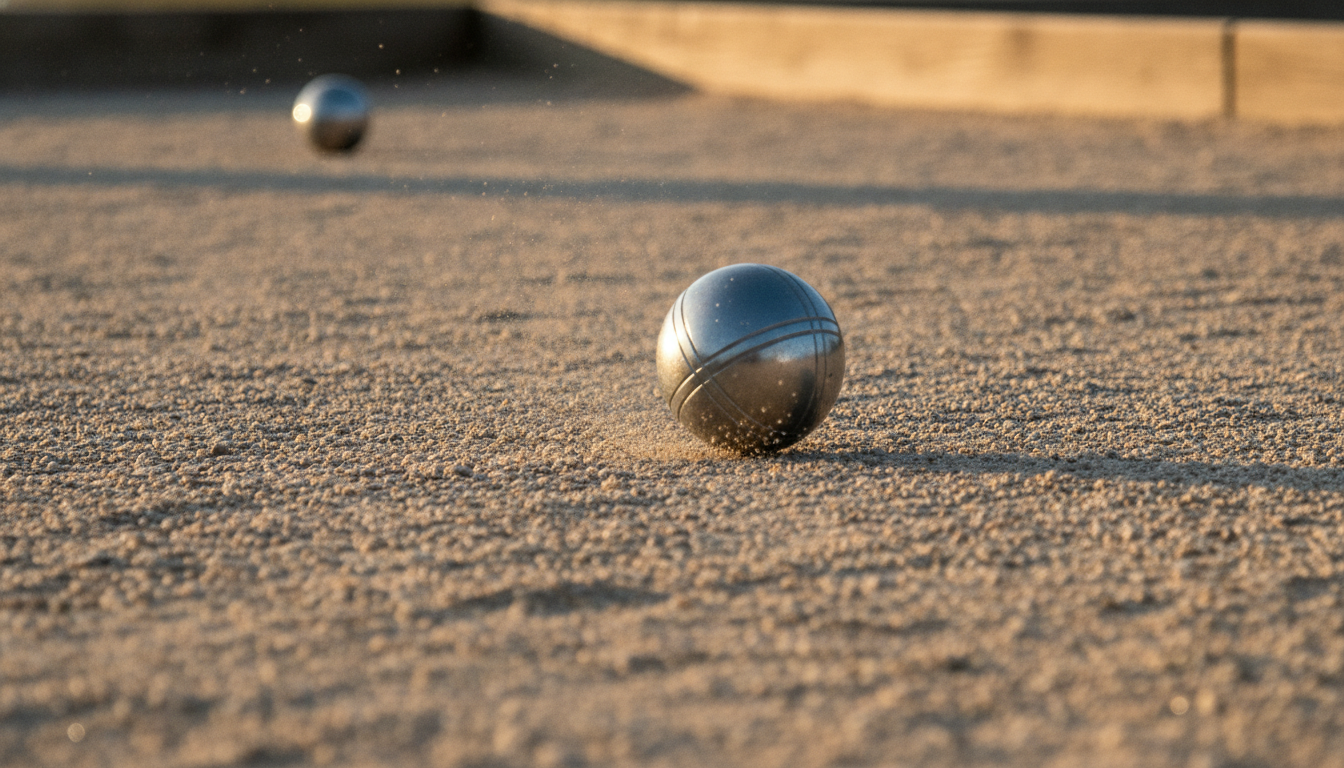
Pétanque Court Surfaces: How Terrain Changes Your Game
Gravel, sand, schist, clay, or rocky ground: every pétanque surface plays differently. Learn how to read a new court and adapt your technique before you throw.
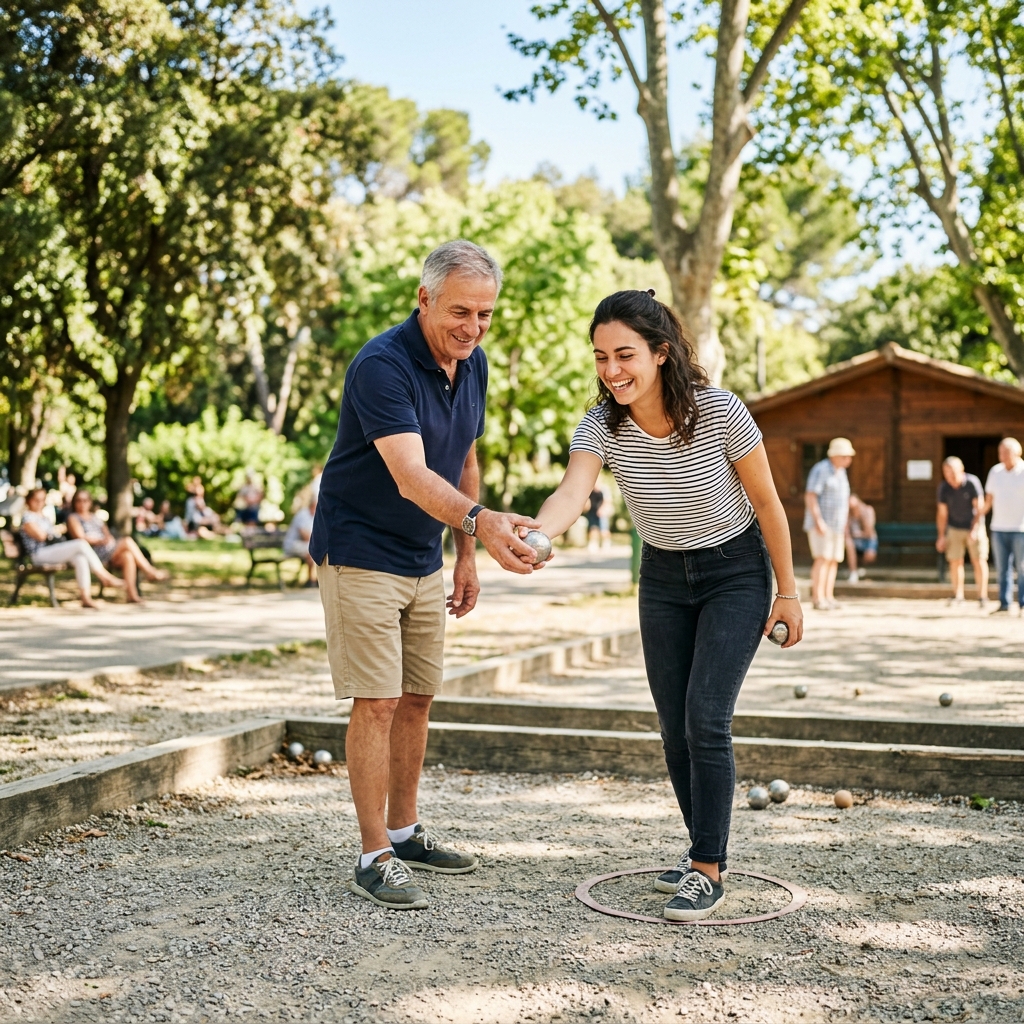
Beginner's Guide to Pétanque: Everything You Need to Know
New to pétanque? Learn the basics - how to play, what you need, scoring, and etiquette in this comprehensive beginner's guide.
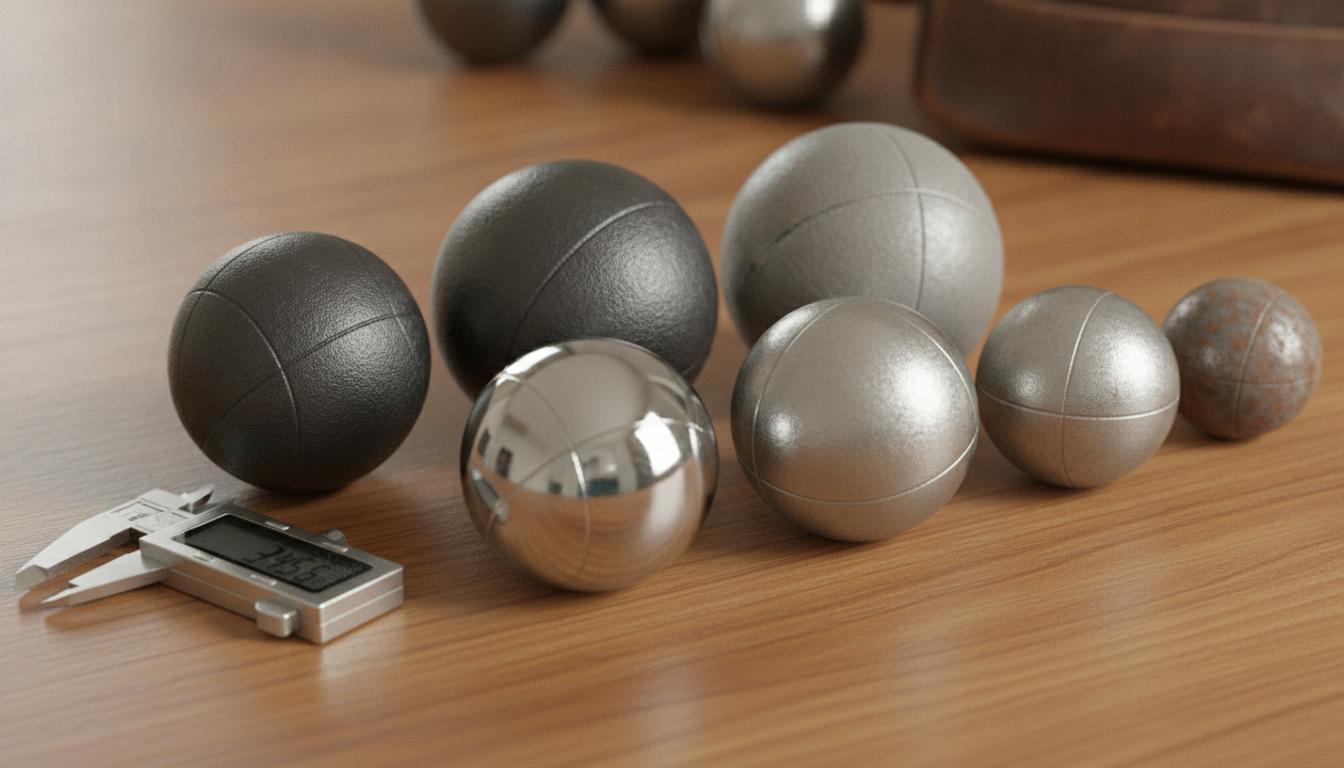
How to Choose Pétanque Boule Weight and Size: The Complete Guide
Selecting the right weight, diameter, and hardness is crucial for your pétanque performance. Learn how to measure your hand and choose the perfect boules for your style.