
5 Tips for Playing Pétanque in Hot Weather
Stay sharp and play your best game even when temperatures soar. Essential tips for summer pétanque.
5 Tips for Playing Pétanque in Hot Weather
Summer is peak pétanque season, but playing in extreme heat requires some adjustments to stay safe and perform at your best. Here are five essential tips for hot-weather play.
1. Stay Hydrated
This seems obvious, but many players underestimate how much water they lose during a multi-hour tournament. Drink water before, during, and after play - don't wait until you feel thirsty.
Pro tip: Freeze a water bottle overnight. It'll slowly melt during play, giving you cold water throughout the match.
2. Adjust Your Strategy for Hard Terrain
Hot weather dries out terrain, making it harder and faster. Your boules will roll further and bounce more. (Facing the opposite problem? See our tips for playing in rainy and wet weather.) Consider:
- Landing closer to the jack - Boules run further after landing, so shorten your landing spot (the donnée) and favour a higher, softer lob over a low rolling throw
- Playing shorter - Don't overcommit on distance
- Reading the terrain more carefully - Dry ground develops cracks and irregularities that affect roll
3. Protect Your Equipment
Metal boules absorb heat and can become uncomfortably hot. Keep them in a shaded bag when not in use, and consider using a chamois or towel to handle them between throws.
Some players carry a damp cloth to wipe their boules, which also provides brief cooling.
4. Dress Appropriately
- Wear a hat - Sun protection is essential during long matches
- Light, breathable clothing - Cotton or moisture-wicking fabrics
- Sunscreen - Don't forget the back of your neck and arms
- Closed, comfortable shoes - Stick to closed shoes even in the heat (competitions require them; see our pétanque shoes guide) and pick a breathable pair with a little room, since feet can swell in hot weather
5. Manage Your Energy
In tournament play, matches can last hours under the sun. Pace yourself:
- Take advantage of breaks - Use them to sit in shade, not just to socialize
- Eat light snacks - Fruit, nuts, and energy bars maintain blood sugar without weighing you down
- Know your limits - Heat exhaustion is a real risk; don't push through warning signs like dizziness or nausea. Our pétanque injury prevention guide covers heat-related and overuse risks in more depth
Bonus: Choose Your Playing Time
If you're organizing casual games, consider playing in the early morning or late afternoon when temperatures are more manageable. Many Mediterranean cultures already do this - there's a reason the French play pétanque in the evening!
Stay safe, stay hydrated, and enjoy the summer pétanque season! 🌞
Related Articles
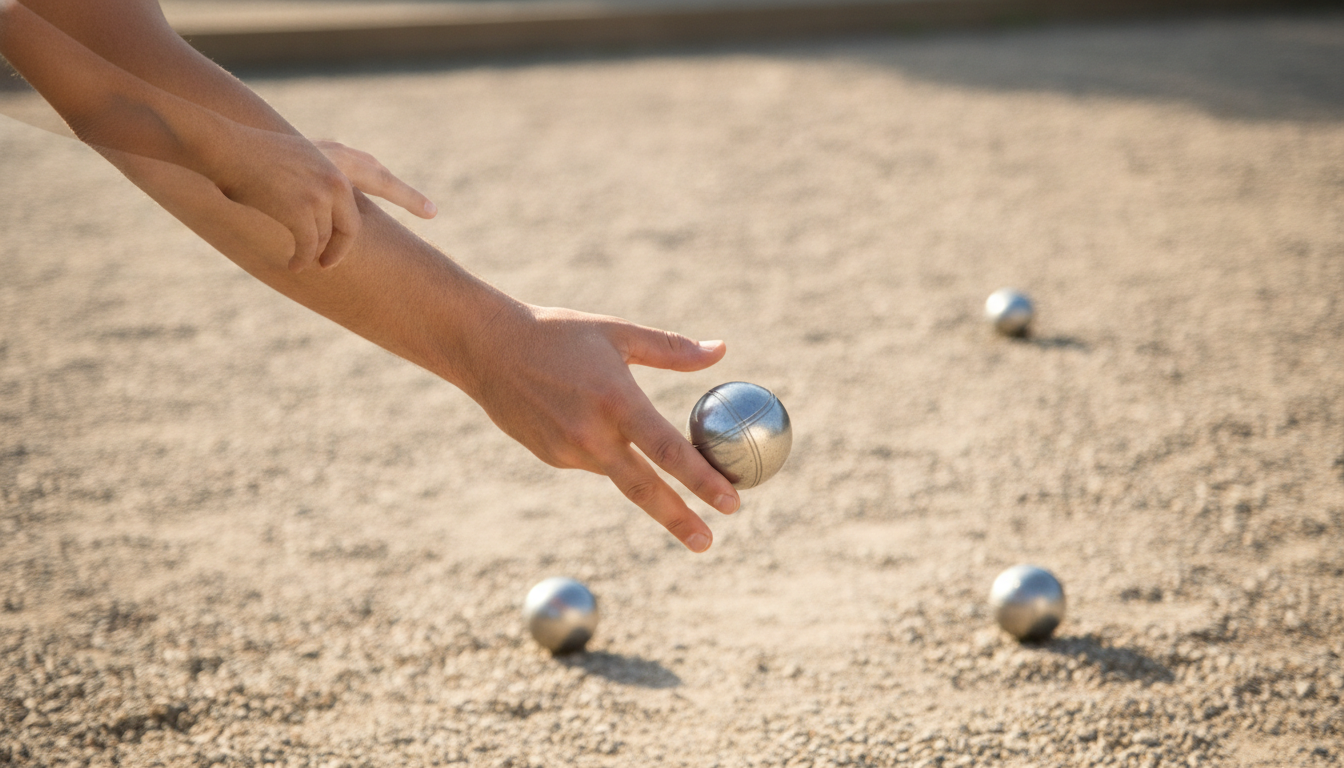
Pétanque Injuries: Common Causes, Health Benefits, and How to Prevent Them
Pétanque looks gentle, but repeated throwing adds up. A practical look at elbow, shoulder, knee, back, and ankle strain, plus a simple warm-up and clear advice on when to see a doctor.
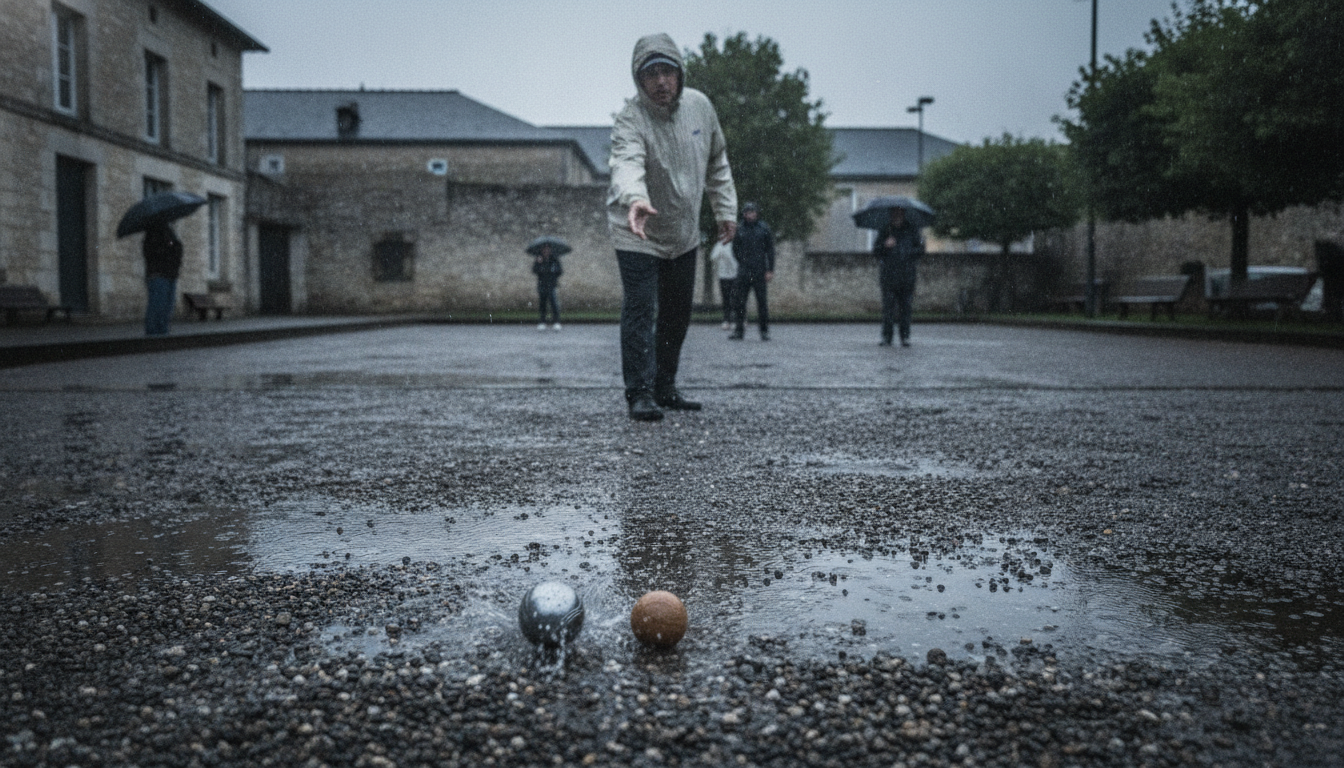
Playing Pétanque in Rain and Wet Weather: 6 Adjustments That Matter
Rain does not have to end your game. Learn how wet terrain changes boule behavior and the equipment, technique, and maintenance adjustments experienced players make.
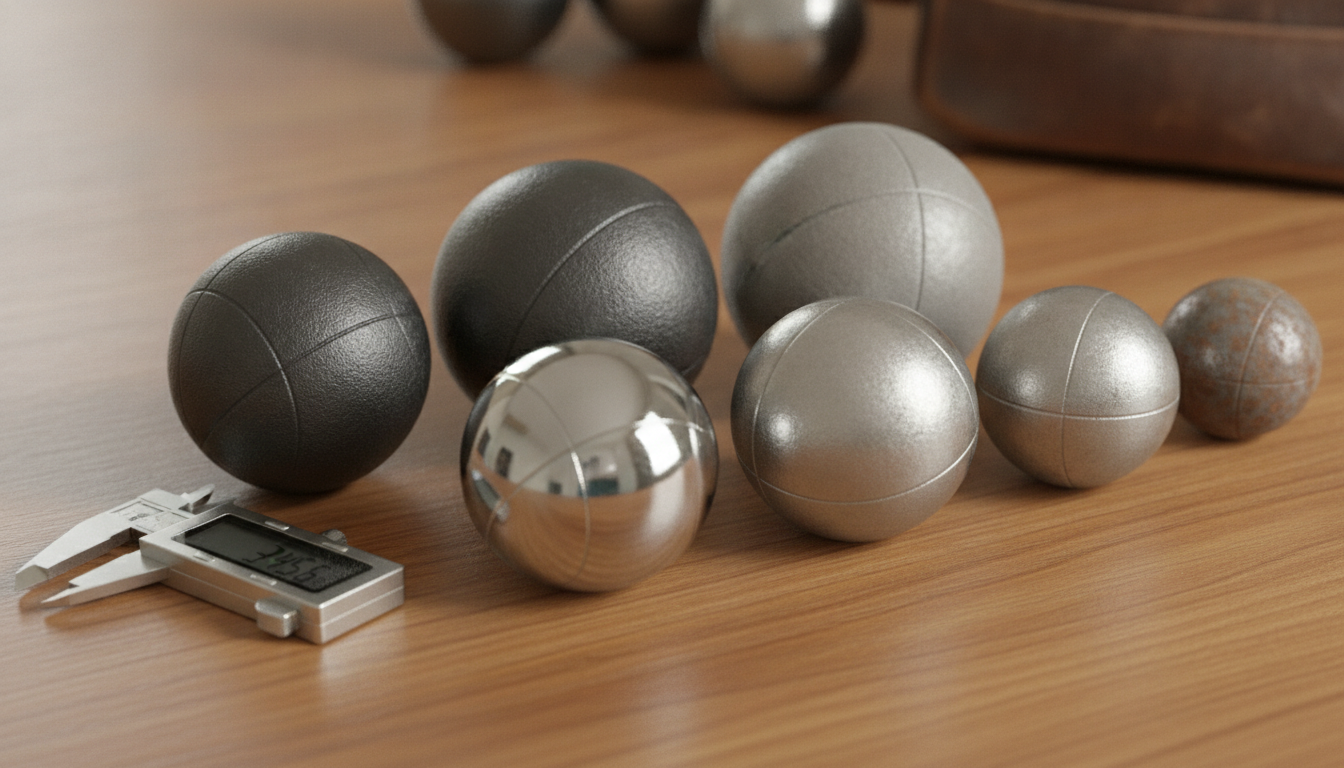
How to Choose Pétanque Boule Weight and Size: The Complete Guide
Selecting the right weight, diameter, and hardness is crucial for your pétanque performance. Learn how to measure your hand and choose the perfect boules for your style.