
Petanque Training Drills: The Ultimate Practice Guide
Master pétanque with our comprehensive training guide. Essential pointing and shooting drills for beginners, intermediate, and advanced players to improve your game.
Petanque Training Drills: The Ultimate Practice Guide
Pétanque is a sport of precision, consistency, and mental fortitude. While anyone can pick up a boule and play, reaching a competitive level requires structured practice. Like any skill, the "feel" for the boule and the terrain is built through repetition and deliberate training.
In this guide, we've compiled the most effective drills used by top players and coaches to sharpen your pointing and shooting skills.
Why Structured Training Matters
Many players "practice" by simply playing matches. While experience is valuable, matches don't allow for the high-volume repetition needed to master specific mechanics. Ten minutes of focused drills can be more beneficial than two hours of casual play.
Core Principles of Practice
- Process Over Outcome: Don't just focus on hitting the target. Focus on your stance, your grip, and your release. If the process is correct, the outcome will follow.
- Consistency is King: Develop a pre-shot routine and stick to it every single time.
- Analyze Every Miss: Instead of getting frustrated, ask why you missed. Was it short? Long? To the left? This analytical approach is the hallmark of a great player.
Pointing Drills (Appoint)
Pointing is the foundation of pétanque. The goal is to control where your boule lands (the donnée) and how it rolls.
1. The Landing Zone (Beginner)
Goal: Master your landing spot accuracy.
- Setup: Place a small target (a cloth, a circle, or a mark) at 7 meters.
- The Drill: Try to land your boule directly on the target. Ignore where the boule rolls afterward.
- Progression: Once you can hit the target 3 times in a row, move it to 8m or 9m, or shrink the target size.
2. The Distance Ladder (Intermediate)
Goal: Calibrate your "arm" for different distances.
- Setup: Place three jacks at 6m, 8m, and 10m.
- The Drill: Point one boule at each jack in succession. This forces your brain to adjust its power output for every throw.
- Progression: Reverse the order (10m, 8m, 6m) or have a partner call out a random distance for each throw.
3. The Head from Hell (Advanced)
Goal: Navigate obstacles and tactical pressure.
- Setup: Place the jack at 7m. Surround it with "blocker" boules - one 20cm in front, one 15cm to the side, and one behind.
- The Drill: Take the point without touching any of the obstacle boules. This simulates a crowded mène where one mistake can give points to the opponent.
Shooting Drills (Tir)
Shooting requires a smooth, looping arc and a relaxed follow-through.
1. The Elevated Target (Beginner)
Goal: Master the tir au fer (hitting directly in the air).
- Setup: Place a target boule on top of a brick or a small sturdy box.
- The Drill: Shoot the boule without hitting the brick. This forces you to throw with enough height to clear the terrain and hit the target directly.
- Progression: Move the brick further away or use a smaller target (like a jack).
2. The Blocked Target (Intermediate)
Goal: Learn to shoot over obstacles.
- Setup: Place a target boule at 8m. Place a "blocker" (a piece of wood or another boule) 1 meter in front of the target.
- The Drill: Shoot the target boule without touching the blocker. This requires a high trajectory and precise release.
3. The Line Drill (Advanced)
Goal: Perfect your axis and alignment.
- Setup: Draw a straight line in the dirt (or use a string) extending 10 meters from the circle. Place three boules on the line at 7m, 8m, and 9m.
- The Drill: Shoot all three boules in one turn. Your focus is staying perfectly on the "axis" - if you miss, it should be short or long, never left or right.
Tactical & Scenario Practice
The "Save" Scenario (Carreau Practice)
A carreau (staying exactly where the opponent's boule was) is the ultimate shot.
- Setup: Place an opponent's boule 10cm from the jack.
- The Drill: Shoot the boule and try to stay in its place.
- Why it matters: In a game, a carreau doesn't just remove an opponent's point; it adds one for you in the same spot, a 2-point swing.
Jack Placement Strategy
Don't neglect the most important throw of the game.
- The Drill: Practice throwing the jack to "difficult" spots - close to the side boundaries, at the maximum 10m distance, or behind uneven terrain.
- The Goal: If you can throw the jack to a spot where you are comfortable but your opponent is not, you've already won half the battle.
Training Your Mental Game
Physical drills only solve half the equation - a perfectly grooved pointing stroke can still fall apart under competition nerves. Deliberately add pressure to your solo sessions (for example, setting a score you must hit before you're allowed to stop) so your first real exposure to that tension isn't on tournament day. See our guide to the mental game of pétanque for the pre-shot routines and breathing techniques competitive players use to stay calm when it counts.
Recommended Practice Routines
The 60-Minute Solo Routine
- 0-10 min: Warm-up. Light pointing at various distances to loosen the arm.
- 10-25 min: Pointing focus. 15 minutes of "The Landing Zone" drill.
- 25-40 min: Shooting focus. 15 minutes of "The Elevated Target" drill.
- 40-55 min: Scenarios. Simulate a real game by throwing the jack and alternating between pointing and shooting.
- 55-60 min: Cool down and jack throwing practice.
The 90-Minute Partner Routine
- 0-15 min: Joint warm-up and distance ladder.
- 15-45 min: Skill challenges. Compete in "The Head from Hell" or shooting accuracy games.
- 45-90 min: Tactical matches. Play to 7 or 11 points, but after each mène, discuss the tactical choices made.
Equipment for Better Practice
To get the most out of your training, consider these essential accessories:
- Measuring Tape: Vital for the Landing Zone drill.
- Foldable Circle: Ensures you are always standing in a legal position.
- Target Circles: Great for marking your donnée.
- Cleaning Cloth: Keep your boules dry for a consistent grip.
Check our Pétanque Accessories Guide for our top recommendations.
Frequently Asked Questions
How often should I practice?
For consistent improvement, 2-3 sessions of 45-60 minutes per week is better than one marathon 4-hour session.
Should I practice on different terrains?
Absolutely! Try to find different surfaces - heavy gravel, hard-packed dirt, and uneven ground. Each requires a different "feel" and adjustment of your donnée.
What is the best boule for training?
We recommend using your competition boules for practice so you get used to their exact weight and balance. If you are a beginner, a versatile all-rounder like the Obut Match is an excellent choice.
Is it better to practice alone or with a partner?
Both are valuable. Solo practice is best for technical mechanics and repetition. Partner practice is essential for tactical decision-making and managing the pressure of competition.
Next Steps to Elevate Your Game
- Track Your Progress: Keep a simple log of your drill scores (e.g., "7/10 hits on Landing Zone at 8m").
- Watch the Pros: Observe the pre-shot routines of top players like Dylan Rocher or Philippe Quintais.
- Join a Club: Nothing beats the pressure of real tournament play. Find a club near you in our Country Guides, or learn how to start a pétanque club if there isn't one nearby.
Ready to upgrade your gear? See our picks for the Best Competition Boules 2026.
Related Articles
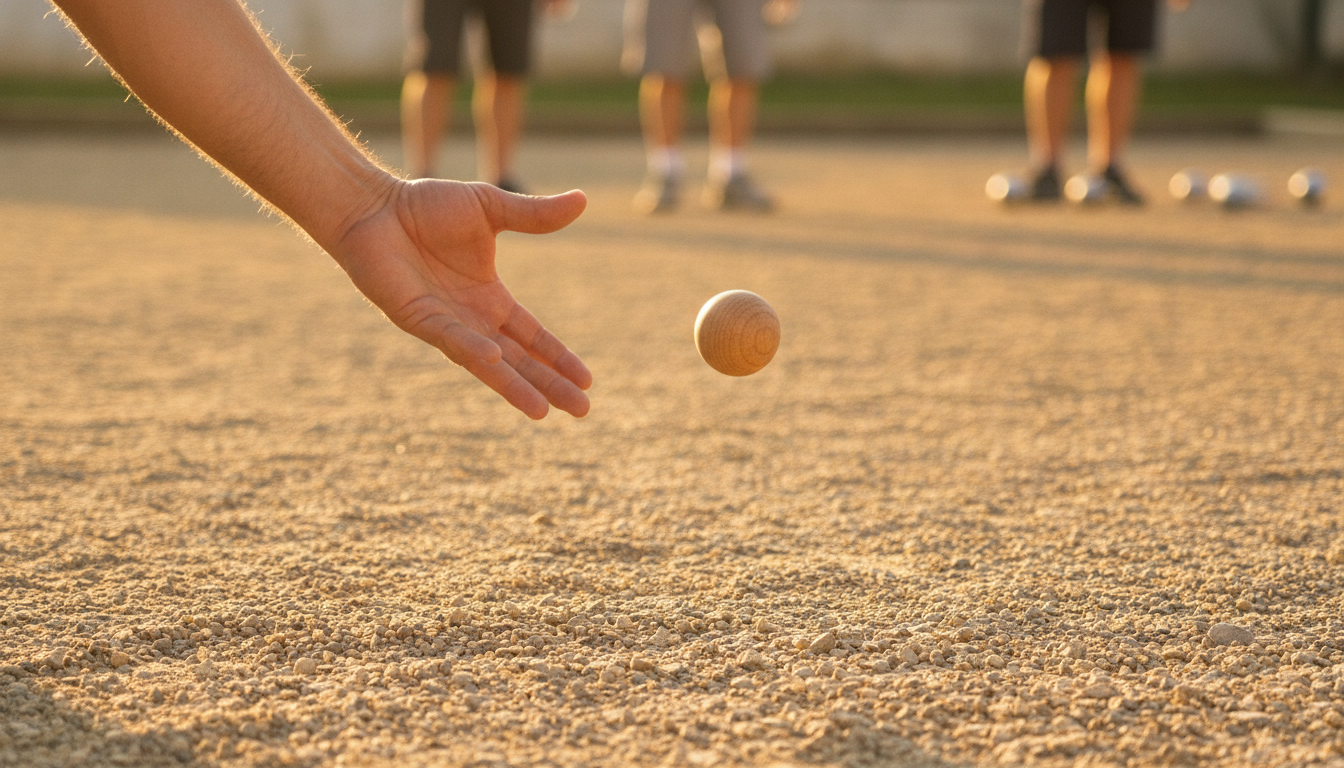
Jack Throwing Techniques in Pétanque
Master the technique behind throwing the jack (cochonnet) in pétanque - grip, flick, and backspin control for consistent, accurate throws every end.
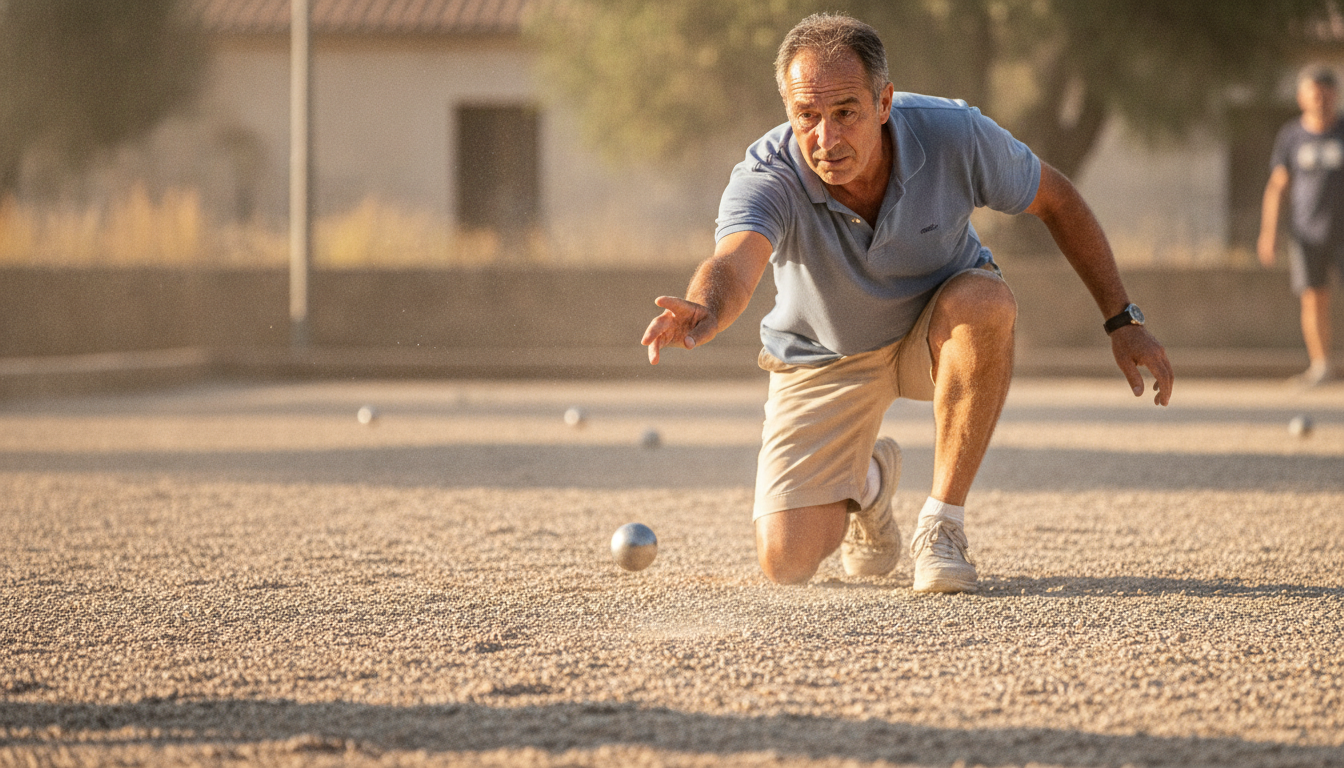
Pointing Techniques in Pétanque
Master the art of pointing (placement) in pétanque. Learn the roulette, demi-portée, and portée techniques, plus advanced backspin and side-spin strategies.
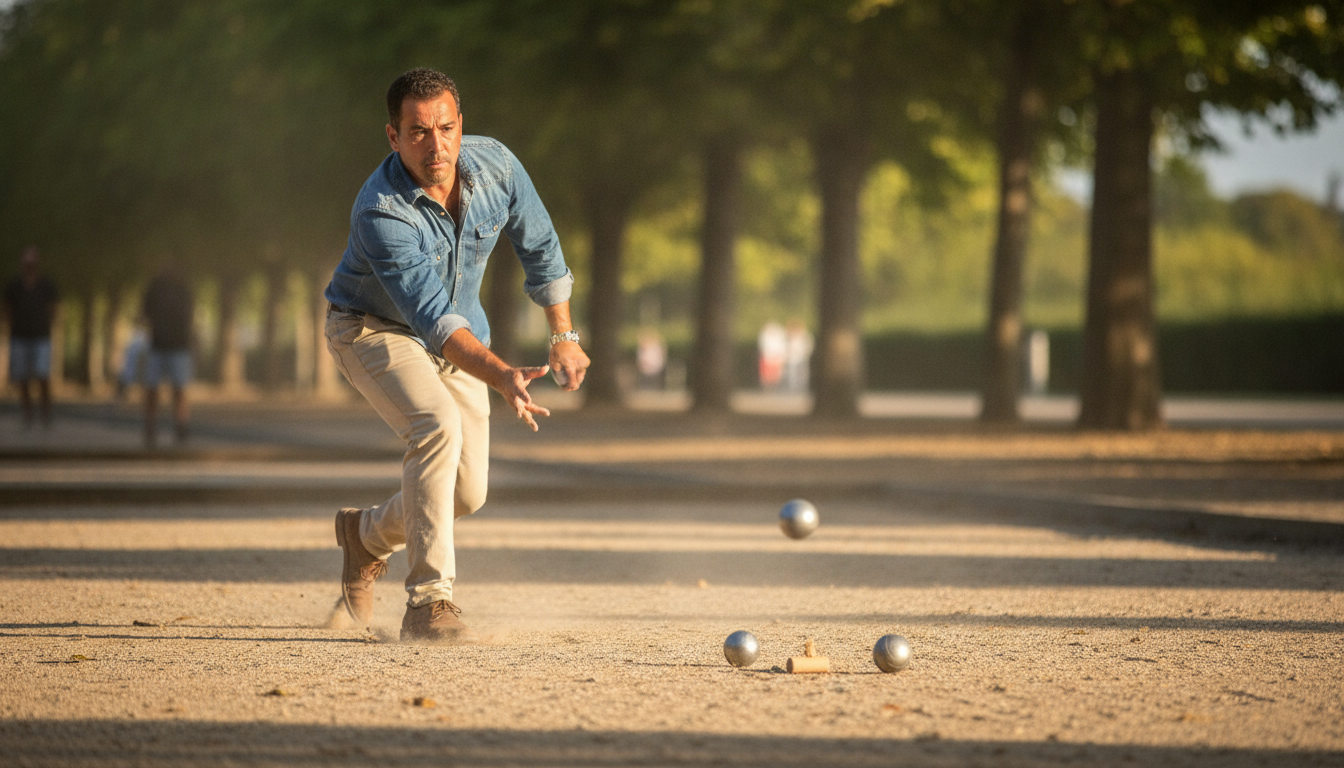
Shooting Techniques in Pétanque
Master the art of shooting (tir) in pétanque - learn tir au fer, tir à la rafle, and develop the precision to knock away opponent boules and achieve the perfect carreau.