
The Mental Game of Pétanque: Staying Calm Under Pressure
Learn the mental game of pétanque - pre-shot routines, breathing techniques, and mistake recovery used by competitive players to stay calm when it matters.
The Mental Game of Pétanque: Staying Calm Under Pressure
Two players with near-identical technique can produce very different results under pressure. Our Strategy Guide touches on "psychological warfare" between opponents, but there's a second, quieter mental game that matters just as much: the one you play against your own nerves. A tense hand shortens your swing, rushes your backspin, and turns a routine point into a miss. This guide covers the specific habits competitive players use to keep that from happening.
Build a Pre-Shot Routine
The single most reliable tool for staying calm is also the simplest: do the exact same thing before every throw, regardless of the score or what's riding on it. Some clubs even teach it as a checklist - Melbourne's Camberwell Pétanque Club uses the mnemonic S.H.A.L.L. (Stance, Hold, Angle, Length, Lean) to walk players through their setup before every boule, turning the routine into a small, repeatable affirmation rather than a source of anxiety.
The specific steps matter less than the consistency. Pick your own sequence - checking your grip, one practice swing, a single breath - and repeat it identically whether you're playing a casual Sunday game or the final end of a club championship. The repetition itself is what tells your brain "this is a normal throw," even when the situation isn't normal at all.
Breathe to Slow Your Body Down
Nerves show up physically before they show up in your throw: a faster heartbeat, a tightened grip, a shortened breath. You can interrupt that chain directly. A pattern used by competitive players is a 4-1-6 breathing cycle - inhale through the nose for 4 seconds, hold for 1 second, exhale through the mouth for 6 seconds. Making the exhale longer than the inhale is the important part; it's what signals your nervous system to calm down rather than stay alert.
Use it right before you step into the circle, not as a one-off exercise but as part of your routine every time. One full cycle takes about 10 seconds - short enough to fit inside any turn without slowing down play.
Reframe the Shot: From "Don't Miss" to a Plan
Telling yourself "don't miss this" puts the miss itself at the center of your attention, which is exactly what you don't want. Replace it with a specific, positive statement of what you're going to do: "I'm hitting full on the right side" or "I'm landing this 40cm short with backspin." Some players call this making a "shooting contract" with themselves - a concrete plan you either execute or don't, rather than a vague hope you either meet or fail.
This reframing also changes how you judge the result afterward. Instead of asking "did I win or lose that point," ask "did I respect my plan, and was my technique clean?" Those two questions are within your control on every single throw; the outcome, which depends on the terrain, the boule's bounce, and your opponent's positioning, is not.
Recover Fast From a Bad Shot
Every player misses. What separates strong competitors isn't fewer mistakes - it's how fast they let go of the last one. The routine is simple: step back out of the circle, take one breath, and run the two questions from above. If you respected your plan and your technique was sound, the miss was variance and you move on with a clear head. If you instead relive the shot, show visible frustration, or rush the next throw to "make up for it," you're carrying that miss's weight into a boule that has nothing to do with it - and a tense next throw is far more likely to compound the error than fix it.
Body language matters here too, and not just for your own head: a team that visibly looks "broken" after a bad end is easier for an opponent to read and exploit, as covered in the Strategy Guide's section on psychological warfare.
Visualize the Throw Before You Make It
Before you release the boule, picture the result you want - not just the boule landing, but the whole path getting there. One technique some coaches teach is to visualize it in reverse: imagine the boule already at its resting spot next to the jack, then trace its path backward through the air, along the ground, and all the way back into your hand. Running the throw mentally before you make it primes the same motor patterns you'll use physically, and it keeps your focus on the target rather than on the pressure of the moment.
Handle Difficult Opponents Without Losing Your Focus
Not every distraction is accidental. Some opponents will claim your turn time is up when it isn't, offer unwanted "advice" mid-shot, or make passive comments aimed at getting under your skin - see our guide to pétanque's unwritten rules for what's considered acceptable gamesmanship versus what isn't. The counter to all of it is the same: stay composed and don't take the bait, since disruptive tactics only work if you react to them.
Know the actual rules yourself - most federations give a full minute per throw - so you can calmly state them ("I believe I still have time") instead of getting rattled by a false claim. If an opponent's behavior goes beyond gamesmanship into genuine unsportsmanlike conduct, call the umpire over rather than trying to settle it yourself; a neutral third party defuses the situation far more effectively than an argument between the two players involved. Afterward, let it go - don't let another player's bad behavior take up space in your head for the rest of the tournament.
Practice Under Pressure, Not Just Relaxed
A routine you've only ever used in a stress-free practice session is untested. Build pressure into training deliberately: set a target you must hit a certain number of times before you're allowed to stop, keep score against a practice partner with a real stake (a coffee, a bragging-rights scoreboard), or simulate a tense end by starting a drill down several points with only a few boules left. Our Training Drills guide covers the technical side of structured practice - pairing it with self-imposed pressure is what makes your routine, breathing, and reset habits actually hold up the first time you need them in a real final.
Frequently Asked Questions
What is a pre-shot routine and why does it help in pétanque?
A pre-shot routine is a fixed sequence you repeat before every single throw - the same foot placement, the same number of practice swings, the same breath. Doing it identically every time gives your brain a consistent cue that it's time to focus, which builds a mental "bubble" that filters out noise, opponents, and the score. It works because the routine itself, not any single part of it, is what signals your nervous system to settle.
What breathing technique do competitive pétanque players use before a big shot?
A common pattern is a 4-1-6 cycle: inhale slowly through the nose for 4 seconds, hold for 1 second, then exhale through the mouth for 6 seconds. The longer exhale than inhale is what triggers the body's calming (parasympathetic) response, slowing your heart rate and steadying your hand before you step into the circle.
How do you mentally recover after missing an important shot?
Step out of the circle, take one breath, and ask only two questions: did you respect your plan for the shot, and was your technique clean? If both are yes, the miss was variance, not failure, and you reset with a clear head. If you instead relive the outcome or let frustration show, you carry that shot's weight into the next one - and pétanque punishes a tense hand far more than an unlucky bounce.
How should I handle an opponent who is trying to distract or provoke me during a match?
Stay composed and don't respond in kind - disruptive opponents are often hoping for an emotional reaction, and reacting is what gives them the advantage. Know the actual time and turn rules so you can calmly state them ("I believe I still have time") rather than get rattled, and call the umpire over if behavior crosses into genuine unsportsmanlike conduct rather than trying to settle it yourself.
Can you actually train the mental side of pétanque, or is it just natural temperament?
It's trainable. Deliberately adding pressure to practice - scoring drills, setting a target you have to hit before you can stop, playing mock finals against a training partner - conditions you to perform your routine under stress before you ever need it in a real match. Players who only ever practice relaxed, with no stakes, are practicing a version of the game they won't be playing on tournament day.
Explore More Guides
- Advanced Pétanque Strategy & Tactics - The tactical side of the mental game, from team roles to momentum management.
- Pétanque Training Drills - Structured practice to pair with the pressure techniques above.
- Pétanque Etiquette & Unwritten Rules - Where gamesmanship ends and poor sportsmanship begins.
- Pointing Techniques - The physical mechanics a calm, steady hand actually executes.
A perfect swing under no pressure proves nothing - pétanque is decided by who can still execute it on the last boule of a close end.
Related Articles
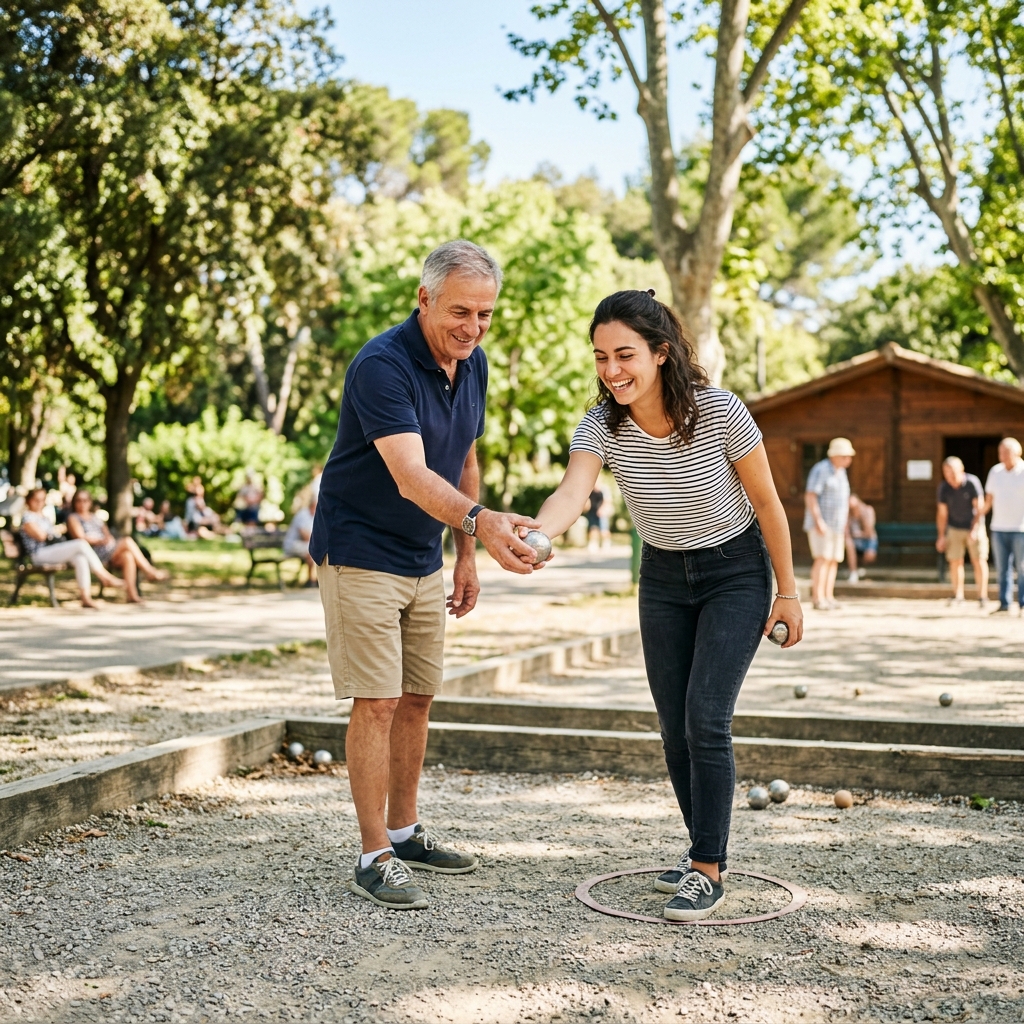
Beginner's Guide to Pétanque: Everything You Need to Know
New to pétanque? Learn the basics - how to play, what you need, scoring, and etiquette in this comprehensive beginner's guide.
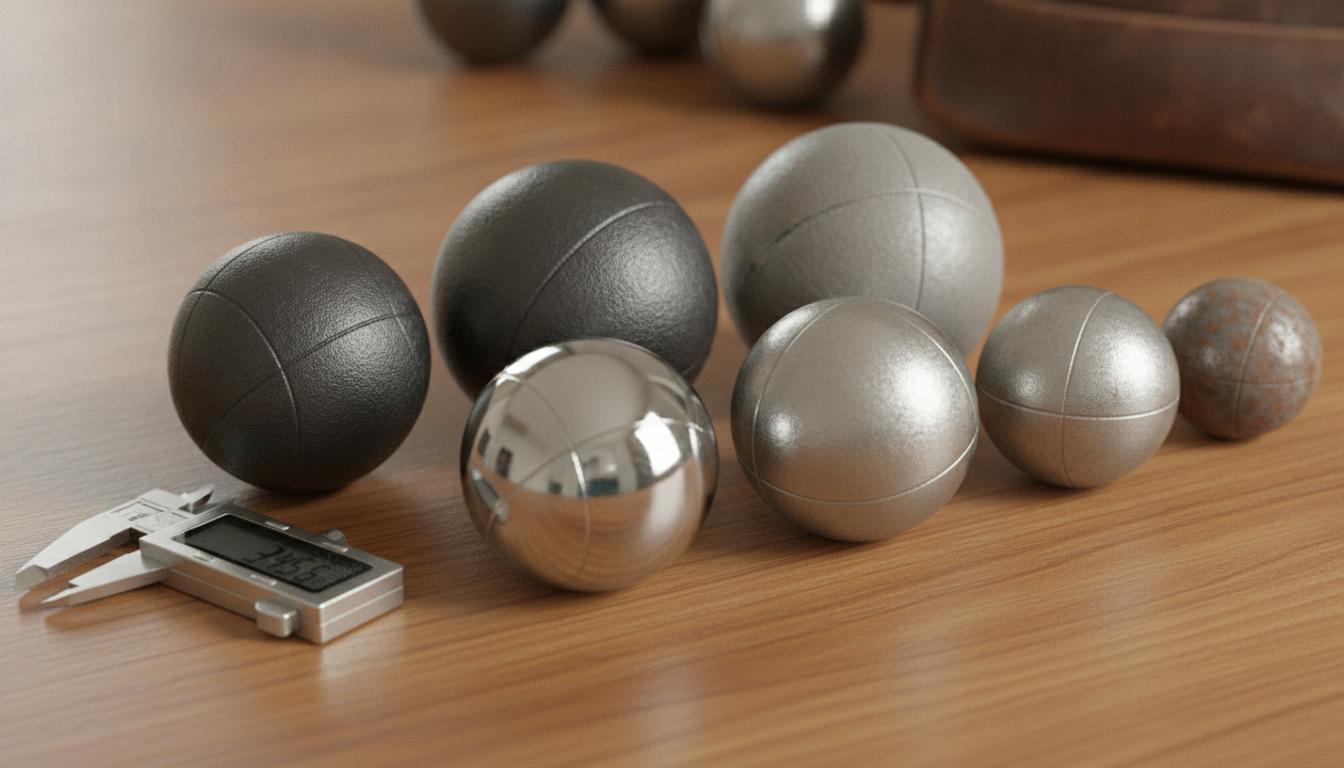
How to Choose Pétanque Boule Weight and Size: The Complete Guide
Selecting the right weight, diameter, and hardness is crucial for your pétanque performance. Learn how to measure your hand and choose the perfect boules for your style.
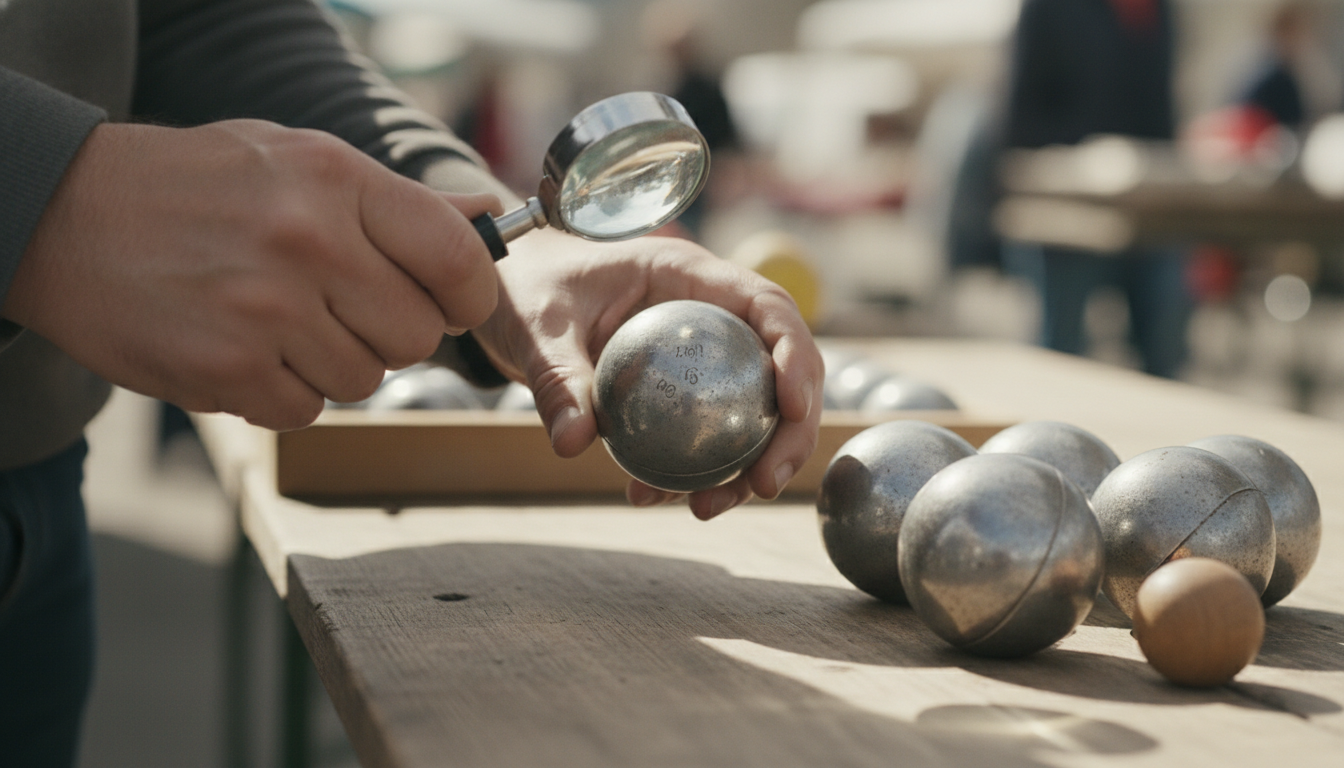
Buying Used Pétanque Boules: A Buyer's Checklist
How to buy second-hand competition pétanque boules safely - reading engravings, spotting a fair price, and the red flags that mean walk away.