
How to Choose Your First Pétanque Boules
A complete beginner's guide to selecting your first set of competition pétanque boules - size, weight, hardness, and material explained.
How to Choose Your First Pétanque Boules
Choosing your first set of competition boules can feel overwhelming with so many options available. This guide breaks down everything you need to know to make the right choice.
Competition vs. Leisure Boules
First, understand the difference:
- Leisure boules - Sold in toy stores and supermarkets. Made from chrome-plated steel or plastic. Fine for casual play in the park.
- Competition boules - FIPJP-approved, made from high-quality steel alloys. Required for organized play and tournaments.
If you're serious about pétanque, invest in competition boules from the start. They range from about €70 for an entry-level set to €300+ for a flagship set, but even a budget competition boule will last for years and dramatically improve your game.
The Three Key Parameters
1. Diameter (70.5mm - 80mm)
Your hand size determines the ideal diameter:
| Hand Measurement | Recommended Diameter |
|---|---|
| < 17cm | 71-72mm |
| 17-19cm | 72-74mm |
| 19-21cm | 74-76mm |
| 21-23cm | 76-78mm |
| > 23cm | 78-80mm |
How to measure: Spread your fingers and measure from the tip of your thumb to the tip of your little finger.
2. Weight (650g - 800g)
- Lighter boules (650-700g) - Easier to throw high (lob), good for pointers
- Medium boules (700-720g) - Versatile, good for all-round play
- Heavier boules (720-800g) - More stable, preferred by shooters and for windy conditions
Beginners should start with 700-720g - it's a comfortable middle ground that allows you to develop your style before specializing.
3. Hardness
- Soft boules - Absorb impact, stay closer to where they land. Preferred by shooters.
- Semi-soft - Good compromise. Ideal for beginners.
- Hard boules - Roll further after landing. Preferred by pointers who play on smooth terrain.
Material Choice
- Carbon steel - Traditional, develops patina, excellent grip. Needs maintenance.
- Stainless steel - Zero maintenance, consistent performance. Higher price.
For beginners, carbon steel is usually the better value. You can always move to stainless steel later.
Striation Patterns
The grooves on the boule surface affect grip:
- Smooth - Minimal grooves, classic look
- Striped (Strie) - Lines around the circumference, better grip
- Patterned - Various groove patterns for maximum grip in all conditions
Striped or patterned grooves are recommended for beginners as they provide better control.
Recommended Starter Boules
Budget (€70-95)
Geologic Delta
Best BudgetThe most affordable way to own genuine FIPJP-approved competition boules, sold through Decathlon.
Best Price: €70 · Decathlon
Obut Match
Best SellerThe world's best-selling entry-level competition boule, a safe all-rounder for pointers and shooters alike.
Best Price: €93 · Obut
Mid-Range (€121-162)
MS 120
Shooter's PickMS Pétanque's most affordable competition boule, a lively semi-soft carbon steel that suits shooters especially well.
Best Price: €121 · MS Pétanque
MS 2110
Anti-ReboundMS Pétanque's anti-rebound design, built around an internal ribbed structure that shooters favor for sticking on impact.
Best Price: €135 - €162 · MS Pétanque
Premium (€150+)
Obut Match+
Refined FinishA step up from the entry-level Match line, with a more refined finish and feel.
Best Price: €180 · Obut
Obut ATX
FlagshipObut's flagship nickel-chrome stainless steel boule, used by many top professionals - overkill for a first set, but the benchmark the rest of the range is measured against.
Best Price: €320 · Obut
Final Tips
- Try before you buy - Visit a club and try different sizes and weights
- Buy a set of 3 - Competition rules require 3 boules for singles and doubles
- Get a carrying case - Protects your investment
- Don't overthink it - Your first set doesn't have to be perfect; you'll learn your preferences over time
If a full-price new set isn't in the budget yet, see our guide to buying used pétanque boules for how to find a good second-hand set safely.
Traveling to a tournament with your set? See our guide to traveling with pétanque boules for airport security rules and packing tips.
Welcome to the world of pétanque! 🎯
Related Articles
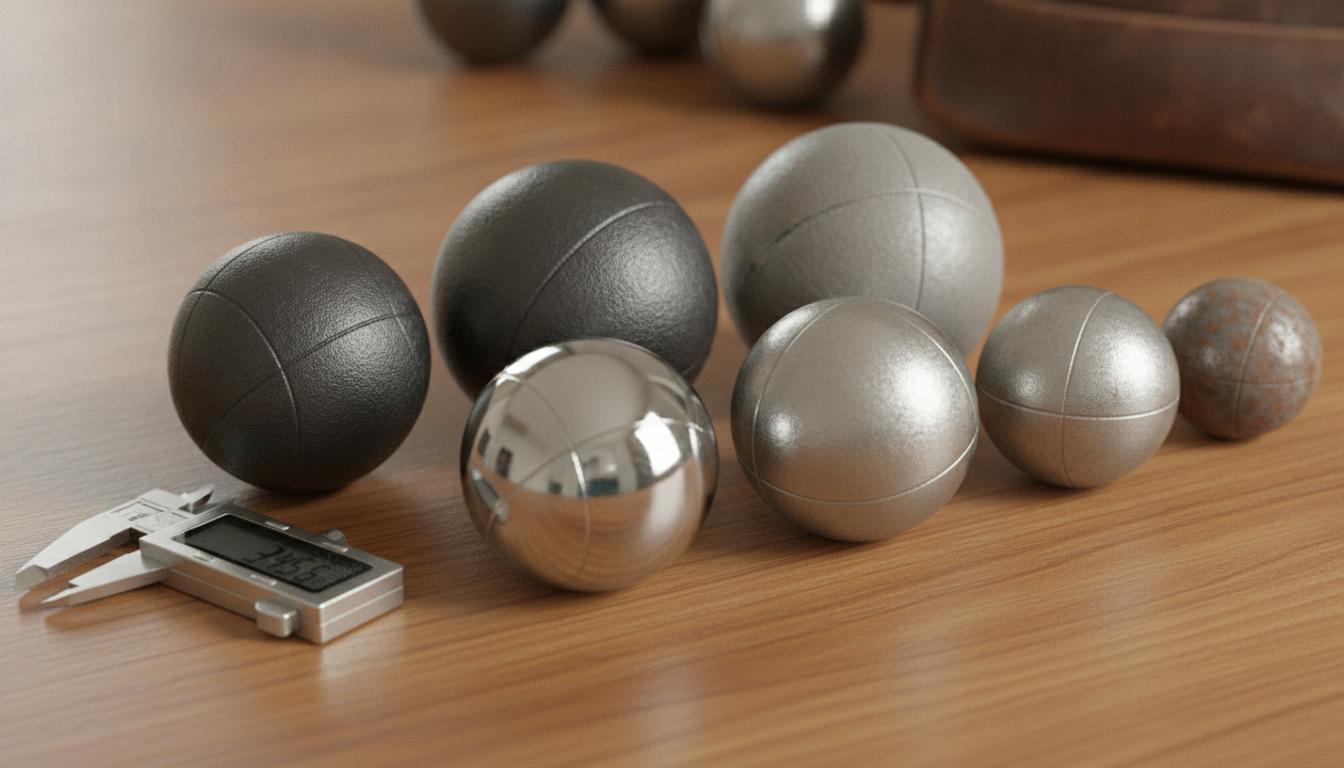
How to Choose Pétanque Boule Weight and Size: The Complete Guide
Selecting the right weight, diameter, and hardness is crucial for your pétanque performance. Learn how to measure your hand and choose the perfect boules for your style.
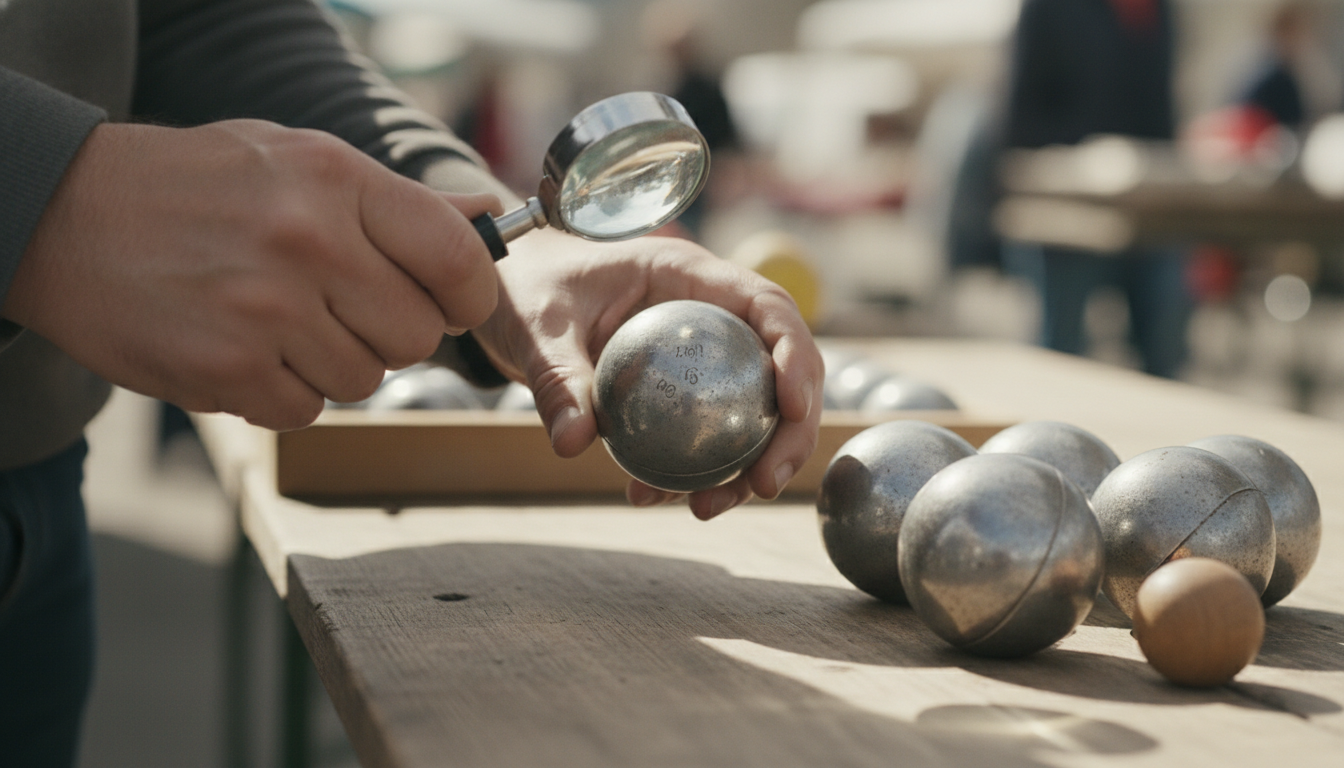
Buying Used Pétanque Boules: A Buyer's Checklist
How to buy second-hand competition pétanque boules safely - reading engravings, spotting a fair price, and the red flags that mean walk away.

Beginner's Guide to Pétanque: Everything You Need to Know
New to pétanque? Learn the basics - how to play, what you need, scoring, and etiquette in this comprehensive beginner's guide.