
How to Maintain Your Pétanque Boules
Keep your boules in top condition with this guide to cleaning, storing, and maintaining both carbon steel and stainless steel boules.
How to Maintain Your Pétanque Boules
Proper maintenance extends the life of your boules and keeps them consistent. Here's how to care for both carbon steel and stainless steel boules, based largely on the care advice published by Obut, the French manufacturer. Not sure yet which material suits your game? See our comparison of carbon steel vs stainless steel boules first.
Carbon Steel Boules
Carbon steel boules develop a natural patina (light surface oxidation) over time, which many players actually prefer for grip. However, excessive rust should be managed.
After Every Session
- Wipe down with a dry cloth to remove moisture and dirt
- Store in a dry place - never leave them in a damp bag overnight
- Apply a light oil (optional) - a lightly oiled cloth, a thin film of WD-40 or a boule maintenance spray limits excessive rust; wipe off any excess
Monthly Maintenance
Obut recommends this at least once a month, even (especially) when the boules aren't being played with:
- Wash with soapy water and use an old toothbrush to clear dirt from the grooves
- Dry thoroughly with a clean cloth
- Rub lightly with fine sandpaper (around 400-600 grit) only where there are ground marks or rust spots
- Finish with a lightly oiled cloth or a maintenance spray
The Patina Question
Some players intentionally let their boules develop patina because it:
- Improves grip in the hand
- Gives a more natural feel
- Creates a unique look
The key is controlled oxidation - a light, even patina is fine, flaking rust is not.
Stainless Steel Boules
Stainless steel boules require much less maintenance but still benefit from regular care. They are not completely rust-proof: Obut notes that even stainless competition boules can show slight superficial oxidation.
After Every Session
- Wipe clean with a cloth
- Dry thoroughly - this avoids water spots and the occasional surface mark
Monthly Maintenance
- Clean with mild soap and water, then dry
- Use a non-abrasive stainless steel cleaner for stubborn marks
- Wipe with a lightly oiled cloth or maintenance spray if you want, as Obut suggests for both materials
Storage Tips
- Store indoors in a dry place - humidity speeds up oxidation
- Avoid the car boot - Obut warns that temperature changes there cause condensation, which encourages rust
- Choose a bag or case with some airflow - it reduces condensation
- Keep boules separated - dividers or individual pouches prevent contact marks
- Never store wet boules - always dry before storing
What Not to Do: The Rules
If you play in licensed competitions, maintenance must never become modification. Article 2 of the FIPJP rules says boules must not be tampered with, altered or modified after machining by the approved manufacturer, must not contain any material such as lead or sand, and must not be re-tempered to change their hardness. The manufacturer's mark and weight must stay legible, so don't sand over them. Engraving your name or initials (and logos) is allowed, within the manufacturing specifications. Breaking these rules means disqualification. See our overview of the official pétanque rules for more.
Where to Buy: Maintenance Supplies
Obut Boule Maintenance Product (Anti-Rust Spray)
Anti-RustReady-to-use 50ml spray developed by Obut to clean and protect stainless and carbon steel boules from rust, leaving a protective film that preserves the metal's shine. Obut recommends it after each game and at least once a month for boules not in use.
Best Price: €11.00 · Obut
Obut Backpack for 6 Boules
Proper StorageObut backpack for pétanque with removable dividers to carry up to six boules, plus a separate zipped compartment for clothing and valuables. Machine washable.
Best Price: €45 · Obut
Any clean, absorbent cotton or microfibre cloth works for wiping your boules between ends.
When to Replace Your Boules
Even well-maintained boules eventually wear out:
- Significant flat spots from repeated impact
- Deep damage that affects grip
- Out-of-round - roll them on a flat surface; a clear wobble is a bad sign
- Weight loss - if wear takes a boule below the official 650 g minimum or makes the engraved weight illegible, it can be refused at an official boule check
There is no fixed lifespan: how long a set lasts depends on how much you play, the terrain and how you care for it. Treat them well and they'll serve you faithfully!
Shopping secondhand instead? Our guide to buying used pétanque boules covers exactly what to check - including rust and wear signs - before you buy.
Related Articles
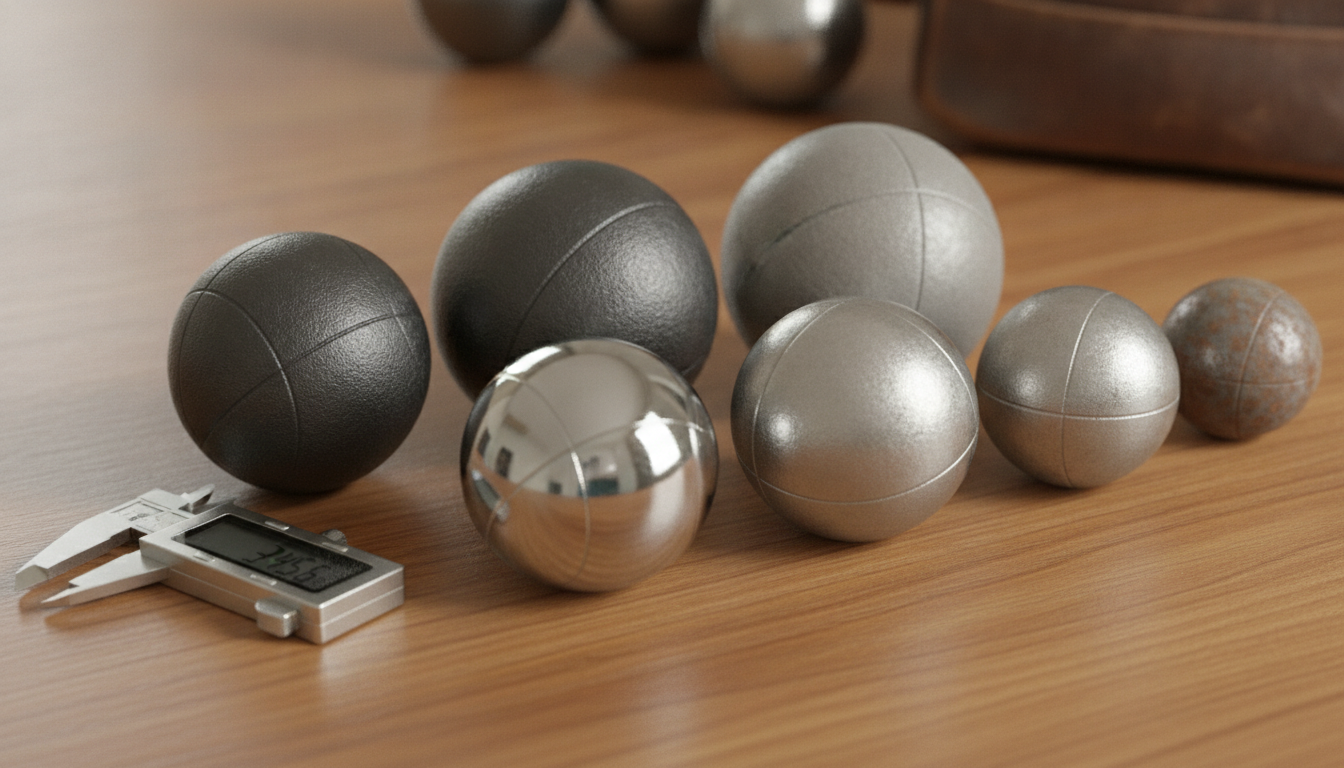
How to Choose Pétanque Boule Weight and Size: The Complete Guide
Selecting the right weight, diameter, and hardness is crucial for your pétanque performance. Learn how to measure your hand and choose the perfect boules for your style.
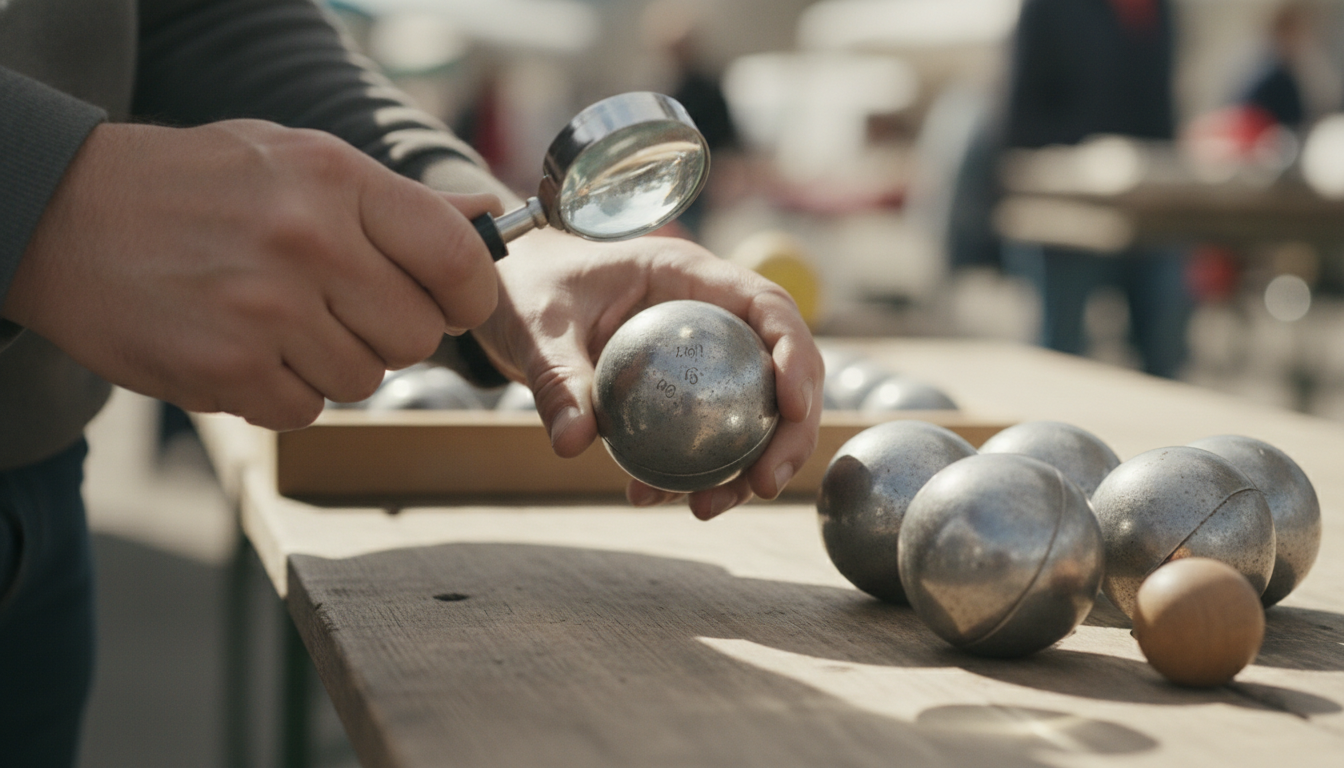
Buying Used Pétanque Boules: A Buyer's Checklist
How to buy second-hand competition pétanque boules safely - reading engravings, checking weight and diameter, judging a fair price, and the red flags that mean walk away.
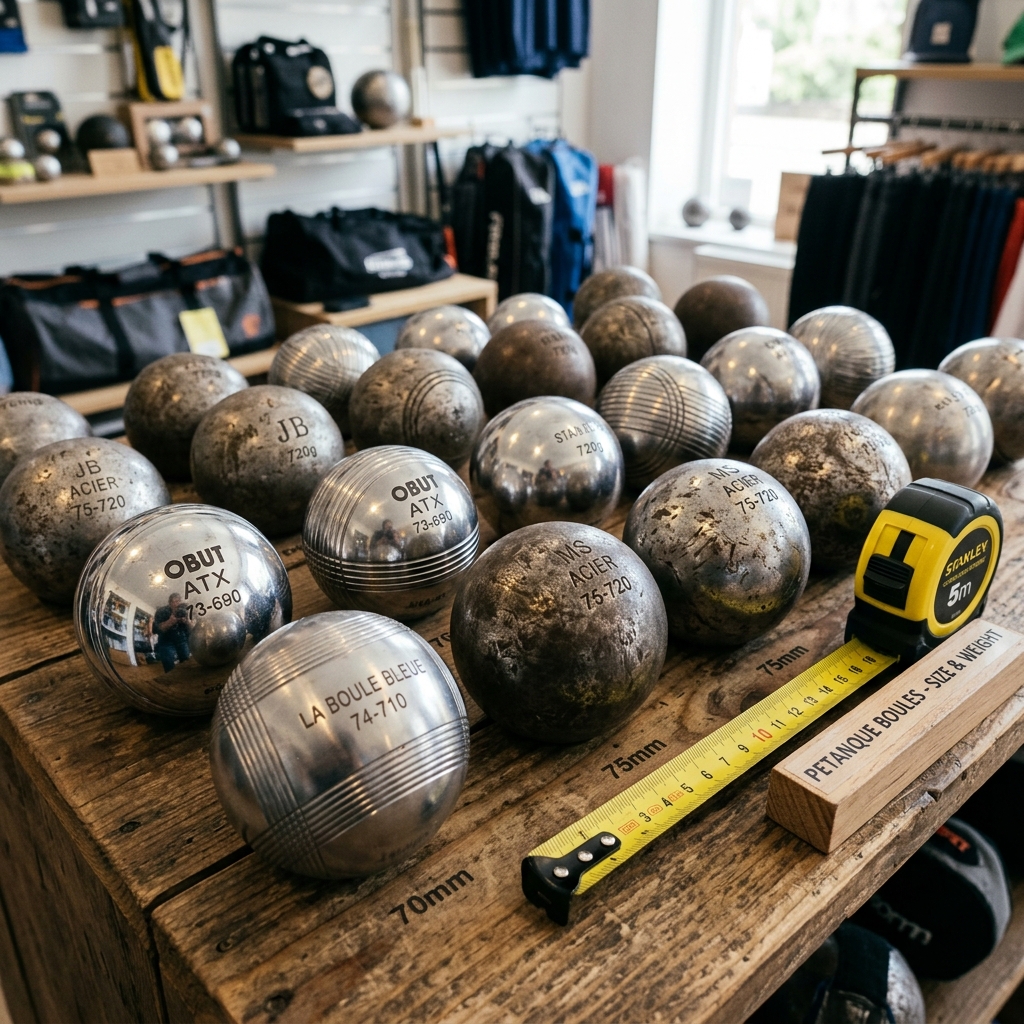
How to Choose Your First Pétanque Boules
A complete beginner's guide to selecting your first set of competition pétanque boules - size, weight, hardness, and material explained.